

The Ultimate Guide to Measuring Dog for a Coat Fit
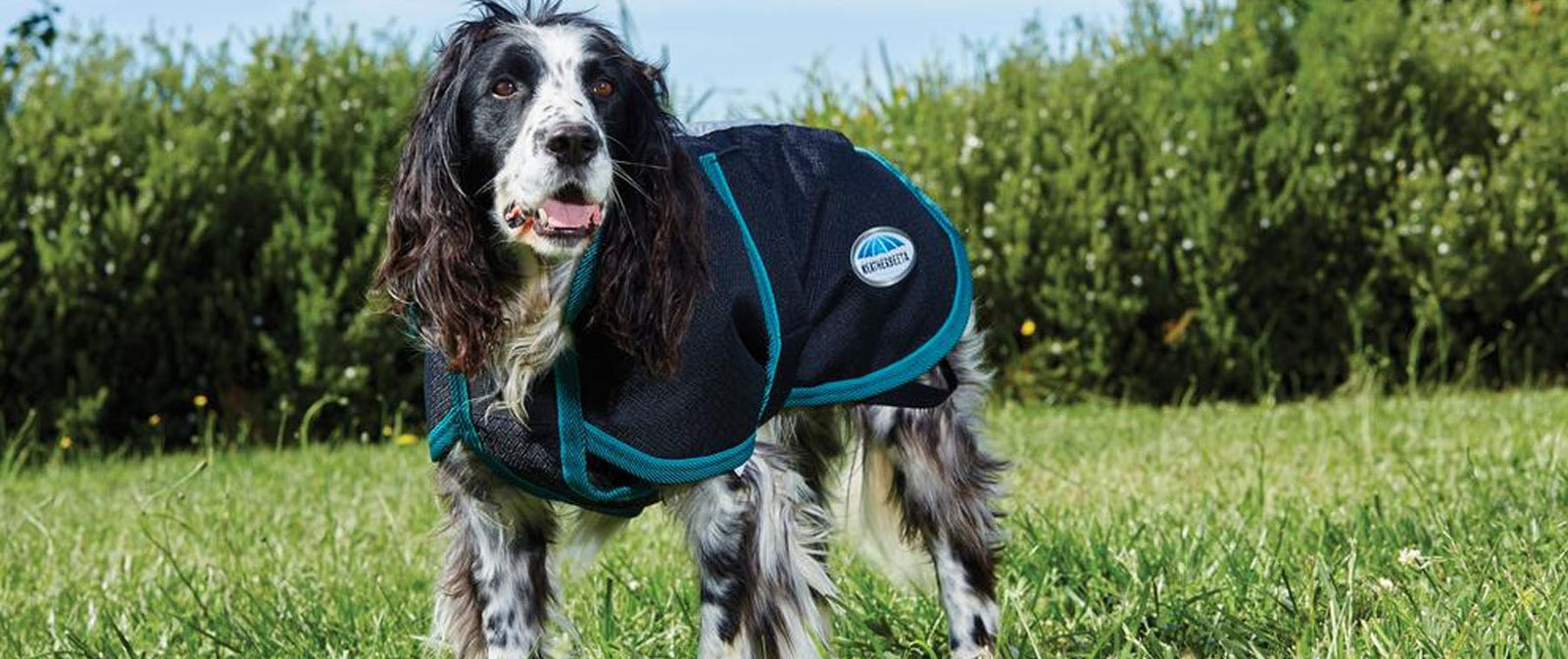

It’s that time of year again when the days are getting colder and shorter and its clear summer has left us once again. While everyone who owns a dog will be getting their big winter coats out to keep themselves warm on the cold mornings, many people don’t realise their dog needs a coat too! The world of dog coats can be a very confusing place so we’re here to help with the Ultimate Guide to Measuring Your Dog for a Coat Fit.
HOW TO MEASURE
The simplest and easiest way to measure your dog is to use a tailors measuring tape which shows the measurement in centimetres and inches. Most brands will use both measurement styles when labelling their products. It also allows you to convert a measurement easily if the Brand only uses one or the measuring metric’s. Firstly place the start of the tape where the collar of your dog rests on the neck and run the tape down the spine to the base of your dogs tail. This measurement is the length of Dog Coat that you will need and give’s you the perfect start to where you need to be looking on the shelf for your size. The second measurement is going to be the chest, this simply is the circumference of the dog at its widest point and will allow you to determine the style of dog coat you can get (I will explain this shortly).

WHICH COAT IS RIGHT FOR ME
The simple answer is which coat suits you and your dog's needs. Climate, activity level, breed and purpose are all things to consider. If you live in Alaska (cold climate) you are going to want a Dog Coat that is very warm, whereas if you live in a hot climate you may want a Dog coat that will keep your Dog cool (that’s right you can get dog coats that cool your dog). By answering those questions, you can narrow down your search for the “Perfect Dog Coat”. The main styles of dog coat are:
• Belly Wrap (a dog coat that wraps under the dog giving more protection to the chest) this is the coat that you will specifically need to take the chest measurement to ensure the correct fit.
• Free Hanging (a dog coat with no chest cover)
• Cool Coat (reduces the temperature of your dog)
• Windbreaker (reduces wind chill but not waterproof)
• Waterproof (Although waterproof areas of stitching may be Permeable)
• Fleece Lined (extra Warm)
• Greyhound (specifically designed for the breed)
When looking at dog coats with chest straps you will need to check the chest measurement to make sure that the coat will fit around the chest without being too loose or constricting.
STYLE VS PRACTICALITY
When we look to purchase a Coat for our Dogs the hardest decision comes down to Style VS Practicality. Some of you may want this seasons colour but the practicality may not be what’s in the best interest of your dog so try and think of it from your Dogs point of view (sounds crazy) but if you were the dog what would you want? To be dry and warm or to look good when rolling around in the mud. I Mean would you wear these high heels on a night out?

GET THE MOST FROM YOUR NEW COAT
In order to not only make the most of your new coat but get the most out of your new dog coat is to make sure you adhere to the cleaning guide on the label. Some dog coats need to be hand-washed to protect its unique features. Others will need to be treated to help maintain their Waterproofness or insulating properties. By caring for your product you will increase the longevity of its life as well as its cost per use (it’s a win, win).

Once you’ve chosen the coat you and your dog want, its time to try it on. Your dog’s coat should cover the length of their back without impacting the tail. The neck should be snug but not tight around the front. If your coat has a belly wrap it should fit comfortably around the belly, if it is too tight it will impede the front legs
If you're still struggling to find the perfect dog coat to suit your needs we have you covered all you need to do is check out petnpony.co.uk to see all the dog coats we have to offer i'm sure we will have one to suit your needs.
Also in PetnPony Blog
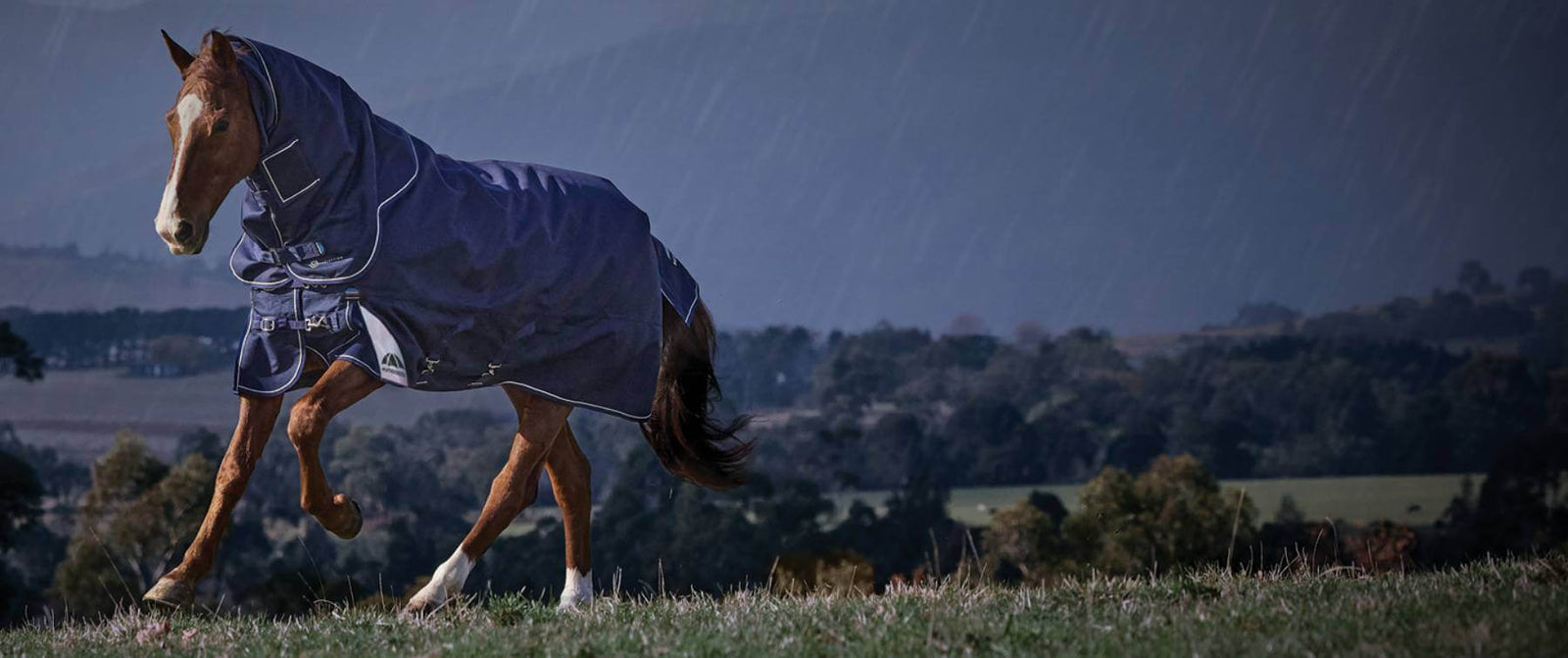

Rugging a Horse According to Temperature: A Complete Guide for UK Horse Owners
Rugging a horse can be confusing during the UK's shifting winter weather. This guide explains how horses regulate temperature, when rugs are needed, risks of over or under rugging, and how live weather data can help you choose the right rug. Includes detailed advice for clipped and unclipped horses, turnout and stabled management, plus links to our Rug Temperature Guide.
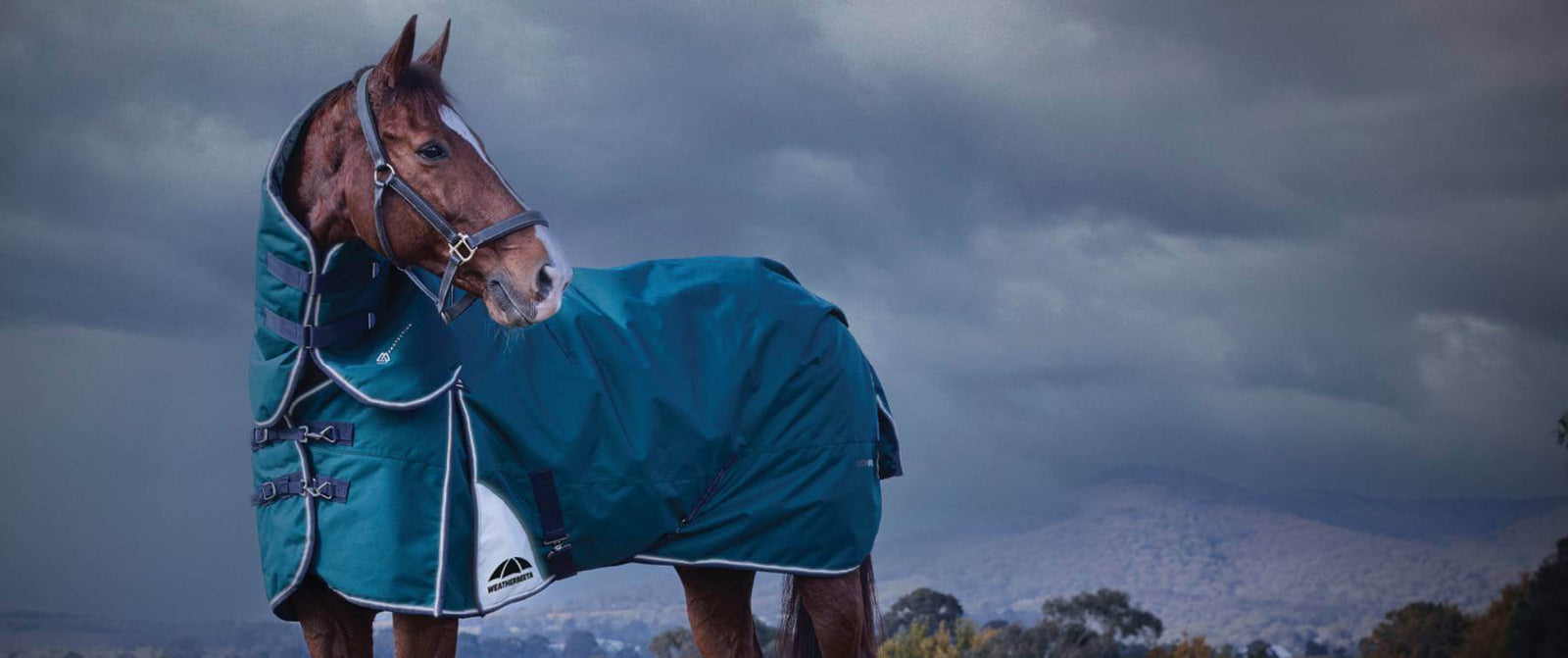

How to Tell if Your Horse Is Too Hot or Too Cold
Knowing whether your horse is too hot or too cold can be challenging, especially with the UK's unpredictable weather. This guide explains simple checks you can use, signs of discomfort to look out for, and how factors like wind chill, rainfall and clip type affect rugging needs. Learn how to make confident rugging decisions based on your horse’s behaviour and the forecast.

Chronic Kidney Disease in Cats - Royal Canin
Cats - like dogs and humans - have two kidneys situated in the abdomen close to the spine and last rib. They are vital organs, continually filtering toxins and waste materials from the blood and producing urine to enable those toxins to be excreted from the body.