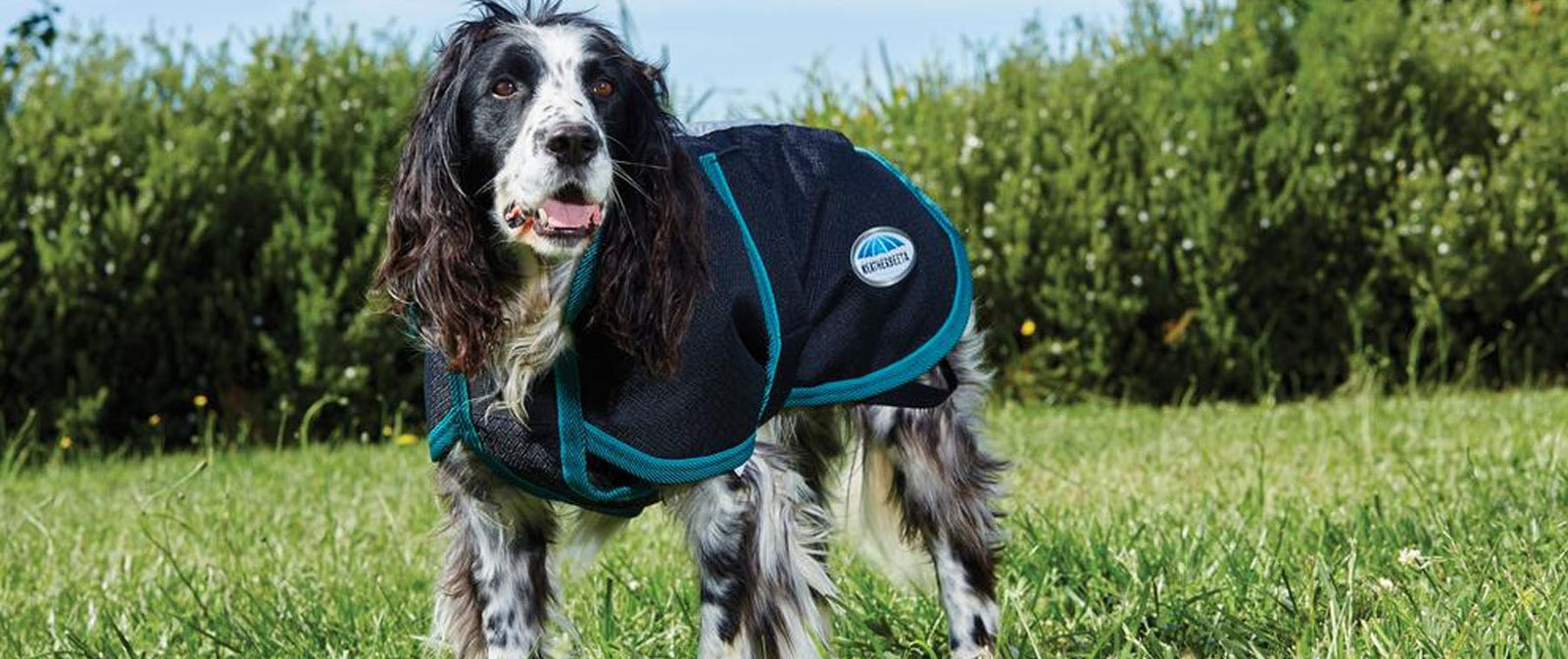

Guide to Flea and Worming


It is very common for your dog to get fleas or worms at least once whilst owning them. This can be a long and irritating process for both owner and animal. Therefore, prevention is better than cure. Those few minutes you take to prevent, will help to avoid the extra effort in getting them treated.
What are fleas?
A flea is an ectoparasite that lives on the outside of your dog’s body. The adults will feed off your dog, the female will lay around 500 eggs per day. The eggs will then roll off the dog into the environment surrounding them, to go on to hatching into a larvae. This can make them difficult to get rid of as you must treat the dog’s environment as well as the dog!

What are worms?
They are classified as parasites which is a disease-causing organism that lives in an animal and derives its nourishment from the host.
There are a variety of worms that can infect your dog. It is important to know which type of worm before providing treatment. The types include:
Roundworms
It is important to worm expecting and nursing mothers with a safe, veterinary licensed product. This is because the roundworms can be transmitted to the puppies through the mothers’ milk. They can also be infected by eating contaminated rodents and soil.
They are described as spaghetti like shapes normally in the faeces.
Tapeworms
Fleas are the main cause of tapeworms in dogs. They can also be caused from other infected animals. Tapeworms may look like grains of rice. Always be sure to treat your dog to tapeworm when they’ve had fleas just in case.
Lungworms
The name is a bit of a give a way as this type of worm lives in blood vessels and affects the lungs. Dogs eating snails and slugs is the main cause of lungworm.
Treatment and Prevention
As mentioned, it’s a very long, stressful expensive situation to be in treating fleas and worms. Prevention is extremely important.
The main way for preventing fleas is to wash your pet bedding on a hot wash to get rid of any possible flea eggs. Treat your dogs with a special flea treatment every month to ensure any fleas they have are killed before it becomes a serious problem. Household spays can be used regularly.
If you notice your dog itching more than normal, or if they have red and inflamed skin then go through your dogs’ fur with a flea comb. If you notice fleas then take them to the vets for advice. Even if only 1 dog had the fleas, you must treat every pet in the household to make sure.
Thoroughly hoover your home to remove the fleas and larvae left in the carpets and furniture.
Use a special household flea spray to kill the fleas and eggs that you missed, if you have cats as well make sure the spray doesn’t include permethrin as it is toxic. When spraying pay close attention to where your dog spends the most time in as well as warm areas.
Before you begin treatment for worms, you must first confirm which one it is. Once you know, the vet will let you know which wormer you need.
Worms are very common in puppies therefore worming them when they’re 2 to 3 weeks old. It takes more than 1 dose to completely rid the dog of worms. The first kills the worms that are there, the 2nd kills the worms are hatch later.
PetnPony have the flea comb, spot on and sprays available online and in store to help you with preventing and treating.

#preventionisbetterthancure
Read how to check your dog for fleas for even more information!
https://petnpony.co.uk/blogs/news/how-to-check-your-dog-for-fleas
Item mentioned:
Also in PetnPony Blog

Rugging a Horse According to Temperature: A Complete Guide for UK Horse Owners
Rugging a horse can be confusing during the UK's shifting winter weather. This guide explains how horses regulate temperature, when rugs are needed, risks of over or under rugging, and how live weather data can help you choose the right rug. Includes detailed advice for clipped and unclipped horses, turnout and stabled management, plus links to our Rug Temperature Guide.

How to Tell if Your Horse Is Too Hot or Too Cold
Knowing whether your horse is too hot or too cold can be challenging, especially with the UK's unpredictable weather. This guide explains simple checks you can use, signs of discomfort to look out for, and how factors like wind chill, rainfall and clip type affect rugging needs. Learn how to make confident rugging decisions based on your horse’s behaviour and the forecast.