

Cat Bowls
Shop Cat Bowls Online at Pet n Pony
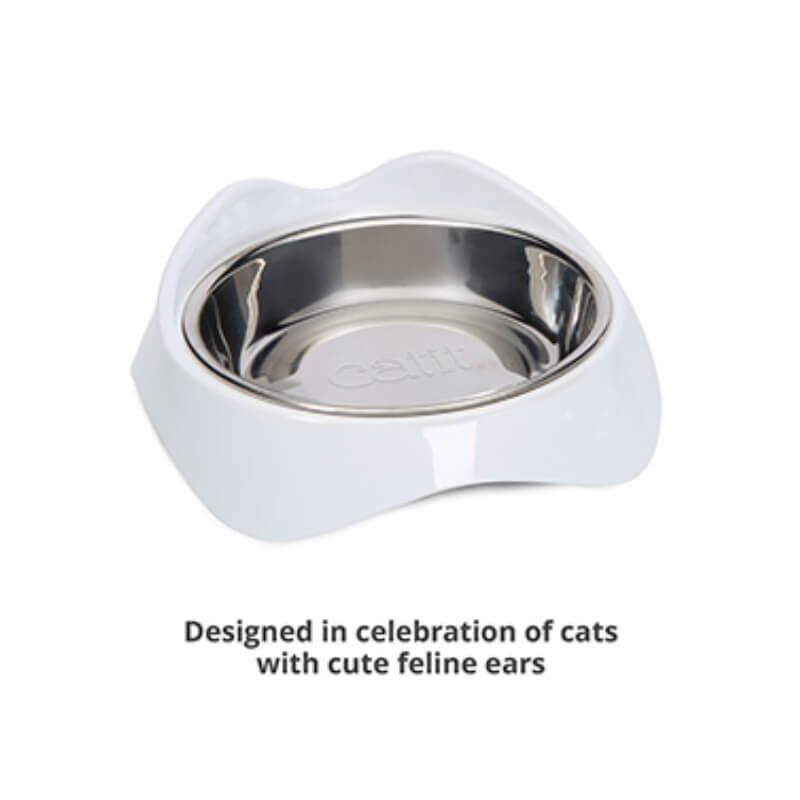
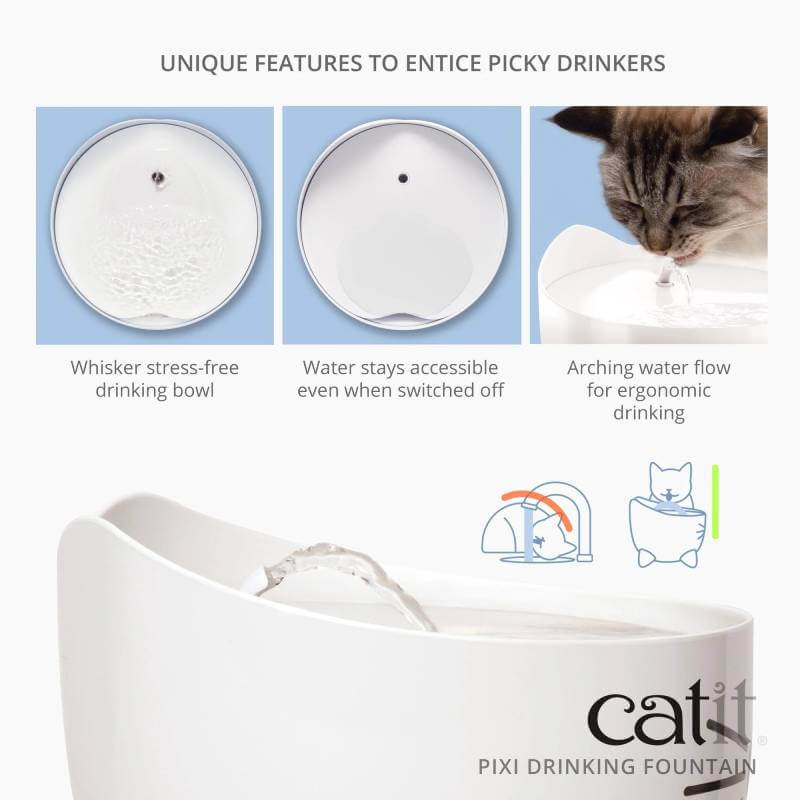
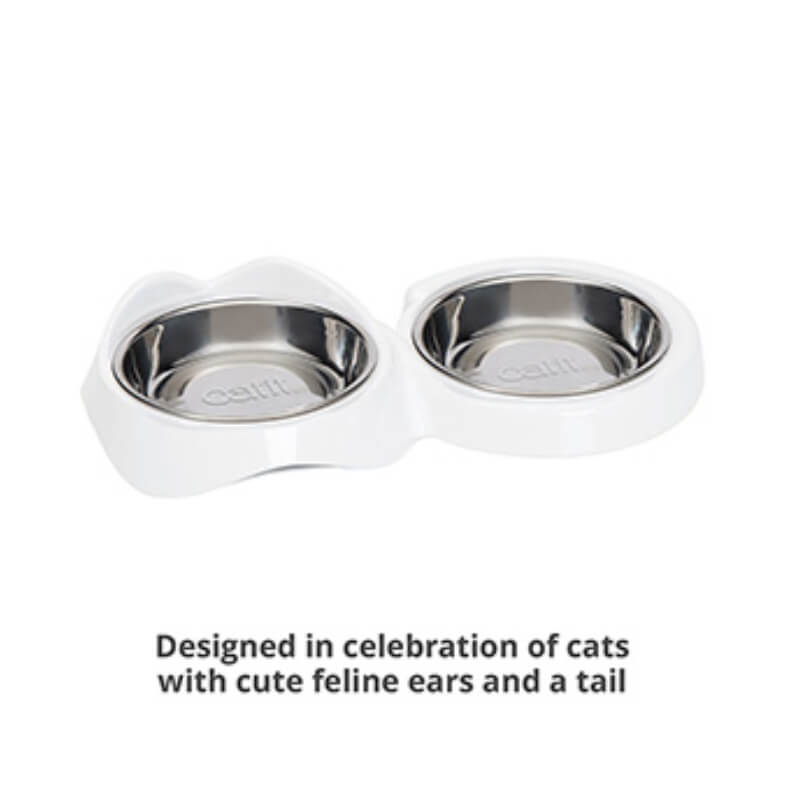
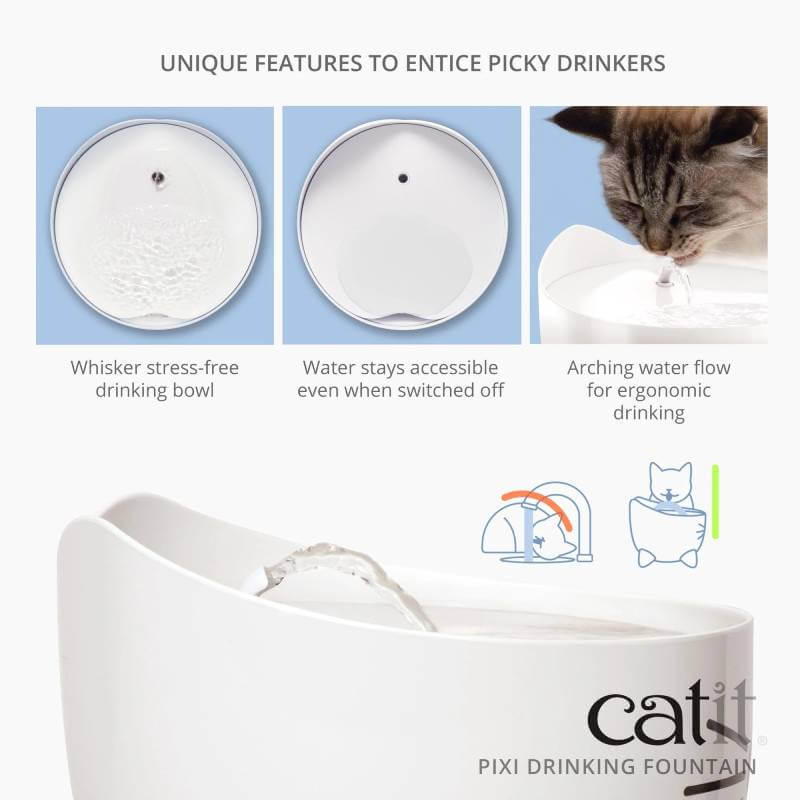
Our cat bowls range covers everything UK cat owners need for mealtimes and hydration, from non-slip cat bowls to cat water fountains. Stocked from trusted brands including Catit, Beco and All For Paws, our cat water bowls and cat food bowls suit every feeding style, whether your cat prefers a shallow ceramic dish or a fountain that keeps water fresh and moving. Wide, whisker-friendly designs help prevent discomfort, while durable stainless steel and eco-friendly materials make cleaning simple.
With prices from £4.99 and free UK delivery on orders over £49, it's easy to keep your cat's bowls fresh, hygienic and topped up before stocks run low.
- Sizes: single dishes, double dishes and 3-litre capacity fountains for multi-cat homes
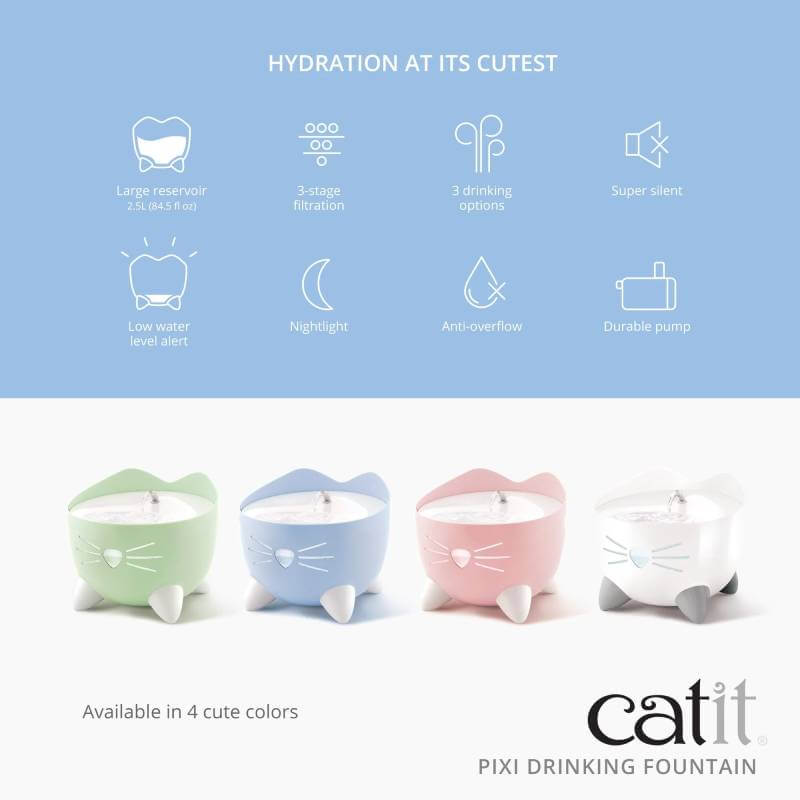
- Colours: pink, blue, mint green, light blue, white and stainless steel finishes
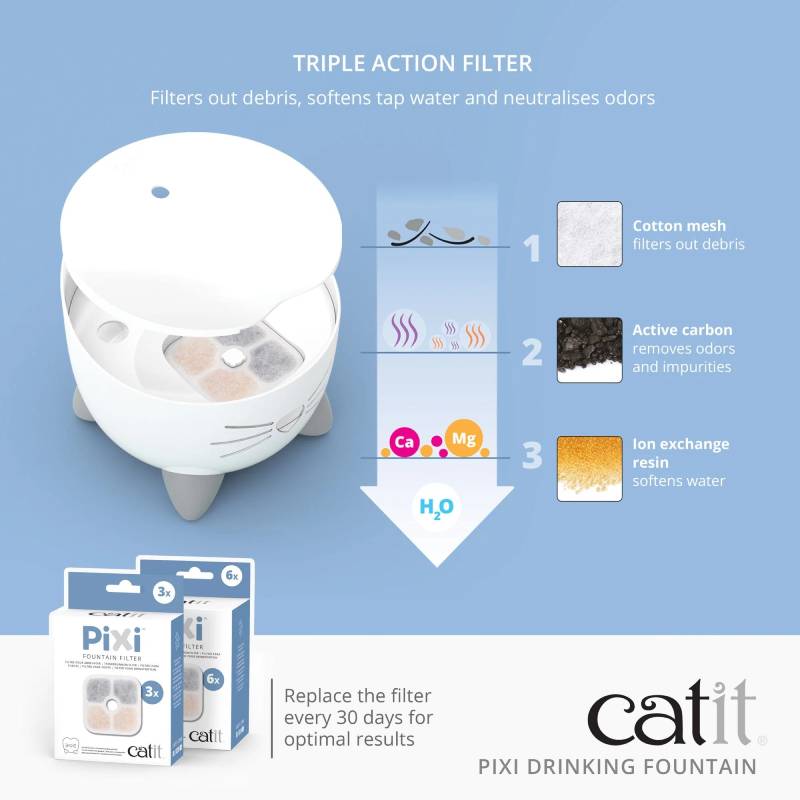
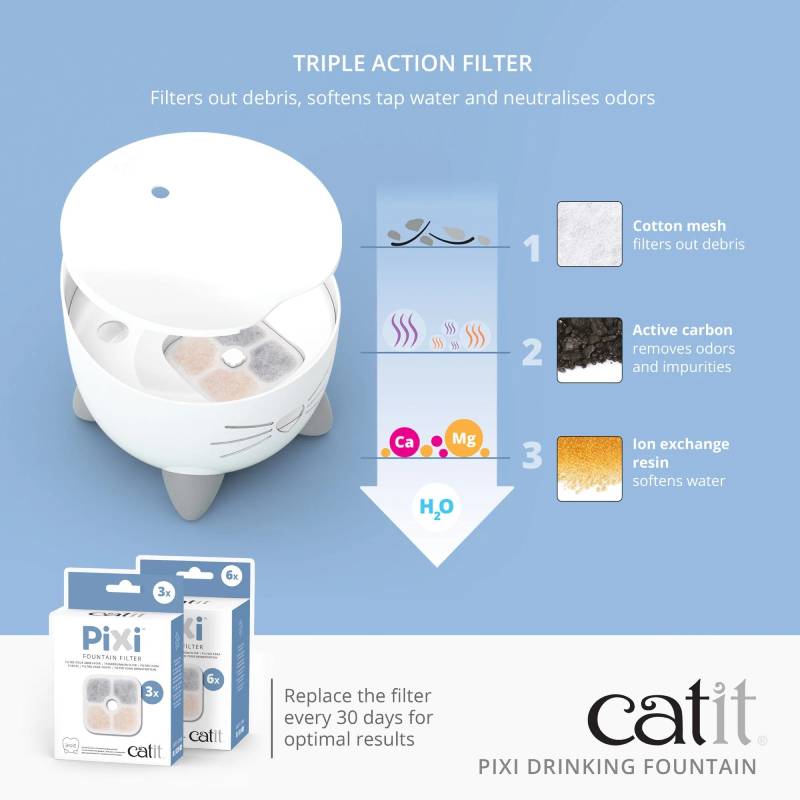
- Product types: non-slip cat bowls, ceramic dishes, drinking fountains and fountain filter cartridges
- Use cases: everyday feeding, hydration support and whisker-friendly mealtimes
















Cat Bowls UK: Buying Guide, Brands & FAQs
Explore More Cat Feeding Essentials




Frequently Asked Questions
What's the best material for a cat bowl — ceramic, stainless steel or plastic?
How often should I wash my cat's food and water bowls?
What is whisker fatigue and how can the right bowl help?
Do cats really need a water fountain instead of a bowl?
How many bowls does my cat need for food and water?
Not found what you need
try searching our shop