

Cat Medical
Shop Cat Health Products Online
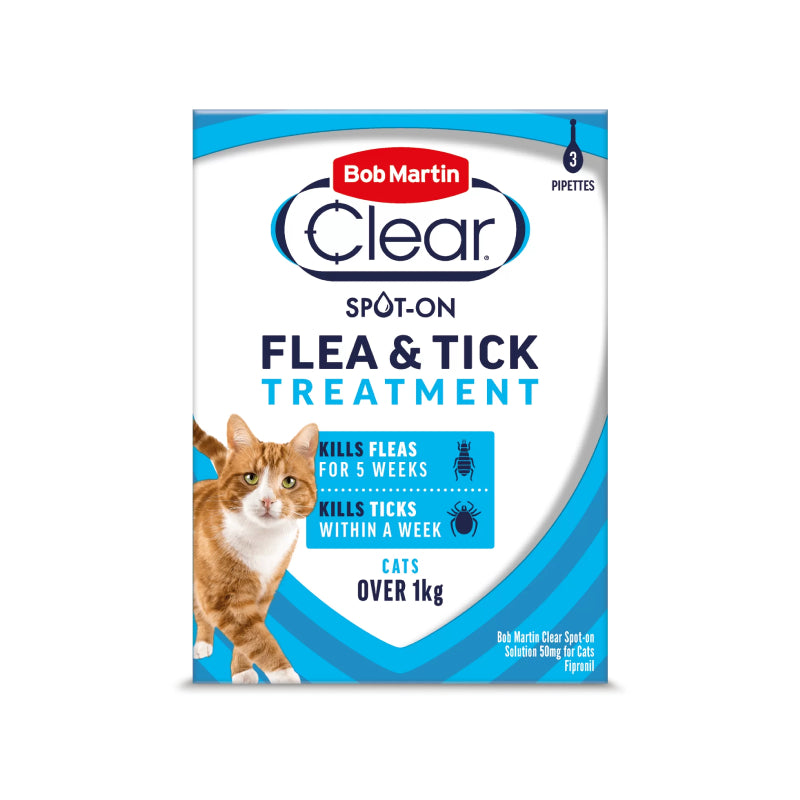
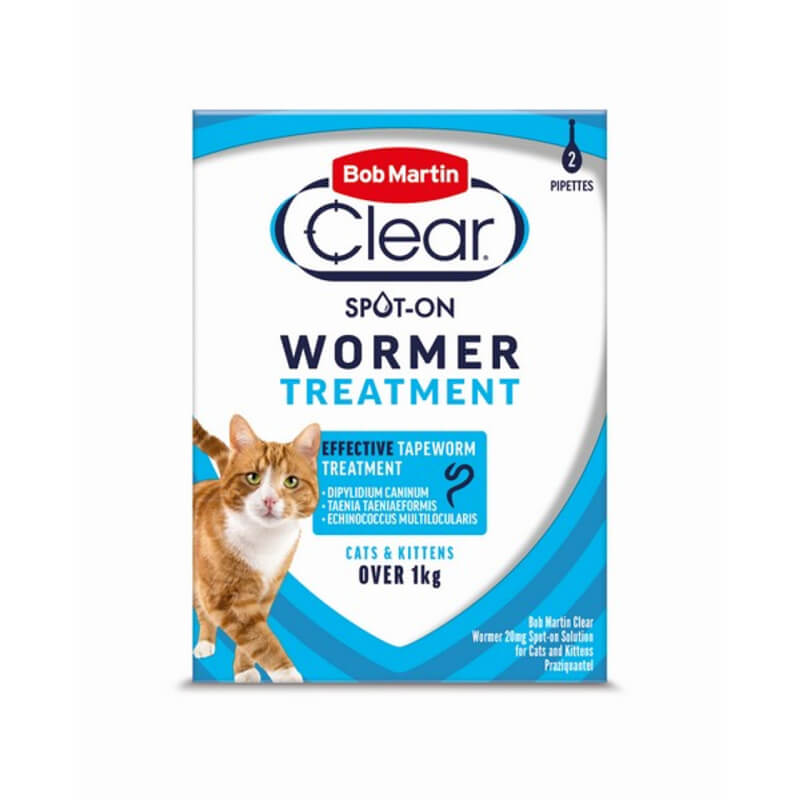
Our cat health products cover the routine care most owners handle at home: cat flea treatment, worming, and supplements for joints, digestion and hairballs. You'll find JVP 4fleas tablets and spot-ons, Bob Martin Clear wormers, Ceva Feliway diffusers for anxious cats and Bound Pets liquid supplements. None of it needs a vet prescription, so you can keep kittens and adult cats on schedule between check-ups.
Kitten and adult doses sit side by side, from single spot-on pipettes to six-tablet packs. Order the next flea or worming dose before the last one runs out and your cat stays covered.
- Sizes: kitten and adult cat doses, from 2-pipette packs to 6-tablet packs
- Colours: velour flea collars in assorted colours
- Product types: flea tablets, spot-ons, flea spray, wormer granules, plug-in diffusers and liquid supplements
- Use cases: routine parasite control, stress during house moves, hairballs, stiff joints and litter tray hygiene


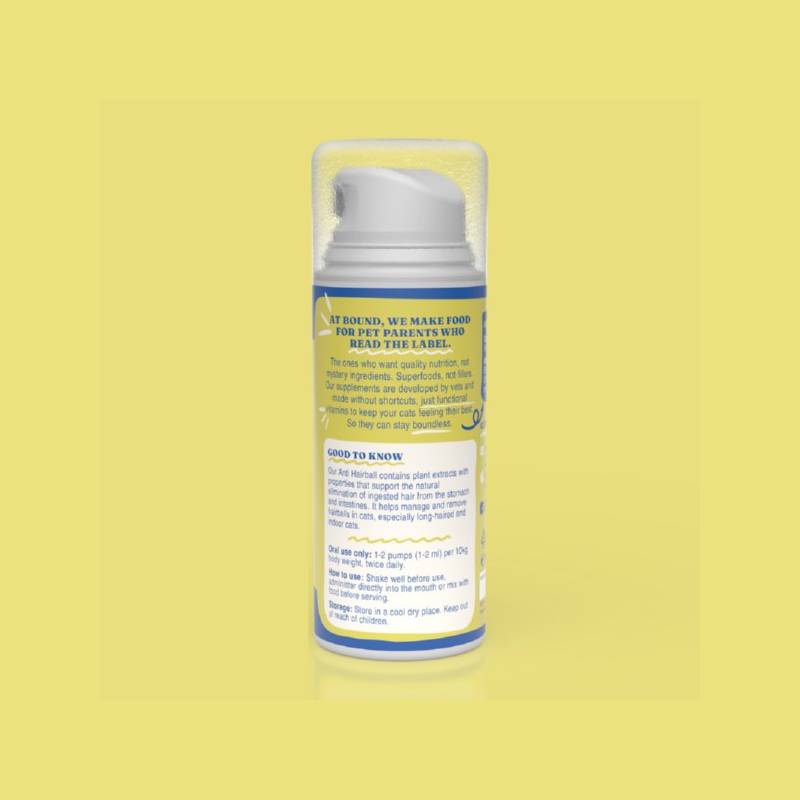


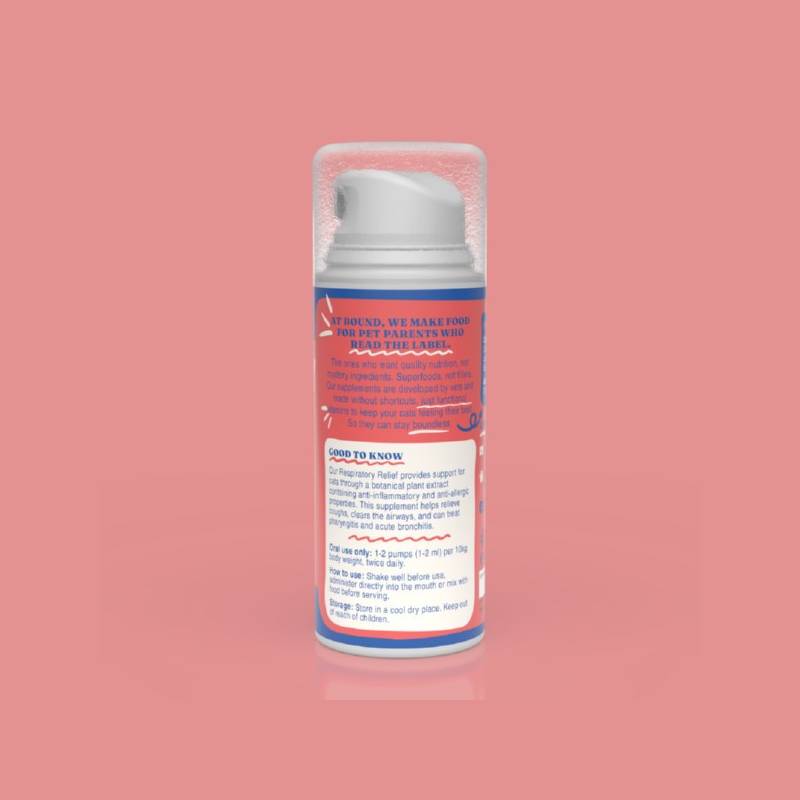


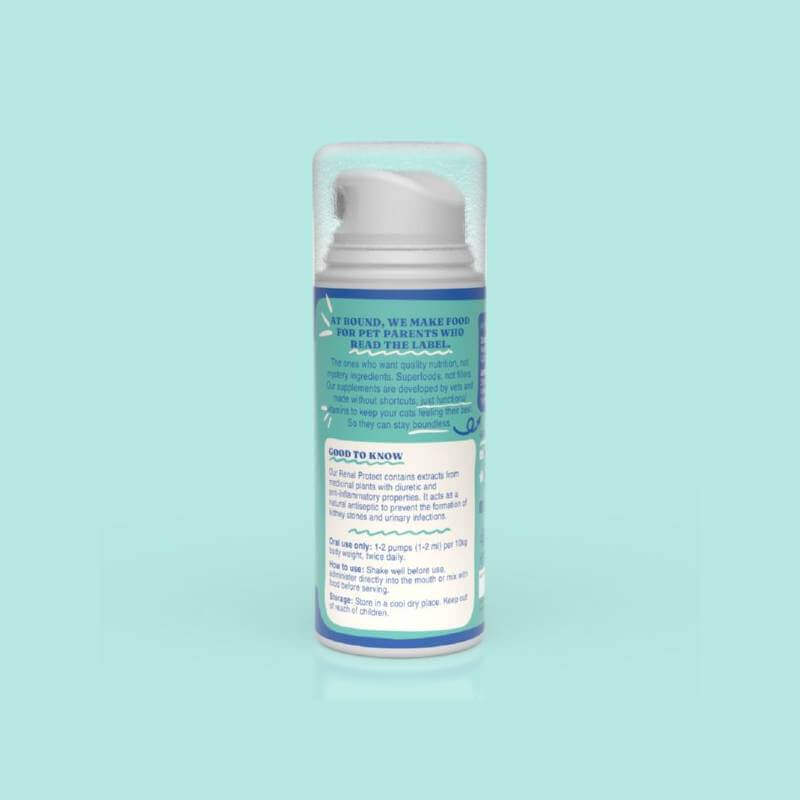


Cat Health Products for Flea, Worming and Everyday Care
More Cat Health Care




Frequently Asked Questions
How often should I flea and worm my cat?
Do indoor cats need flea and worm treatment?
Are flea tablets or spot-ons better for cats?
How long does Feliway take to work?
Can I buy cat wormer without a vet prescription in the UK?
Not found what you need
try searching our shop