

Cat Play Toys
Shop Cat Toys Online at Pet n Pony
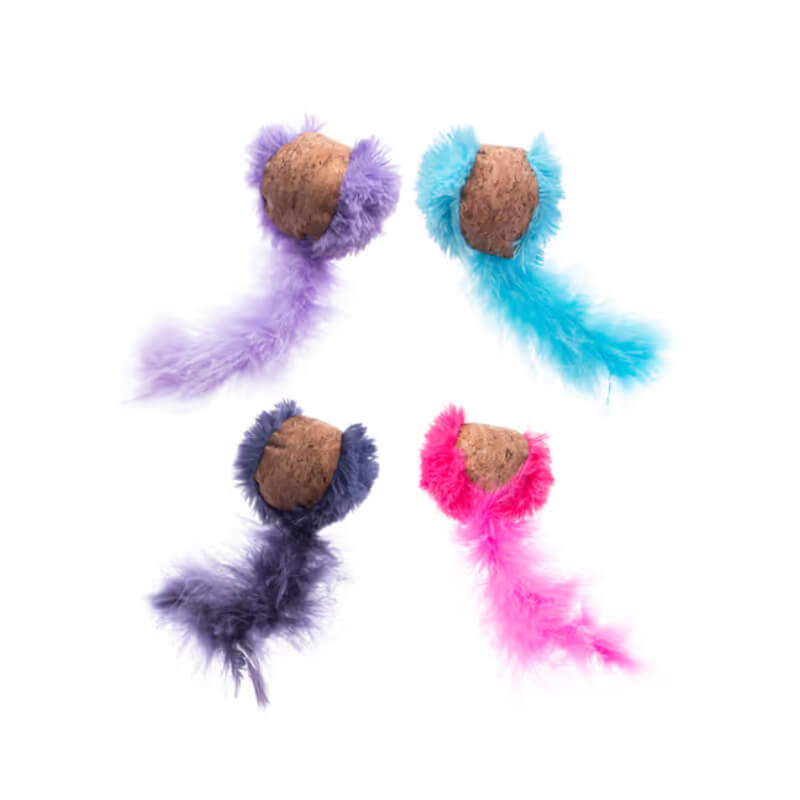
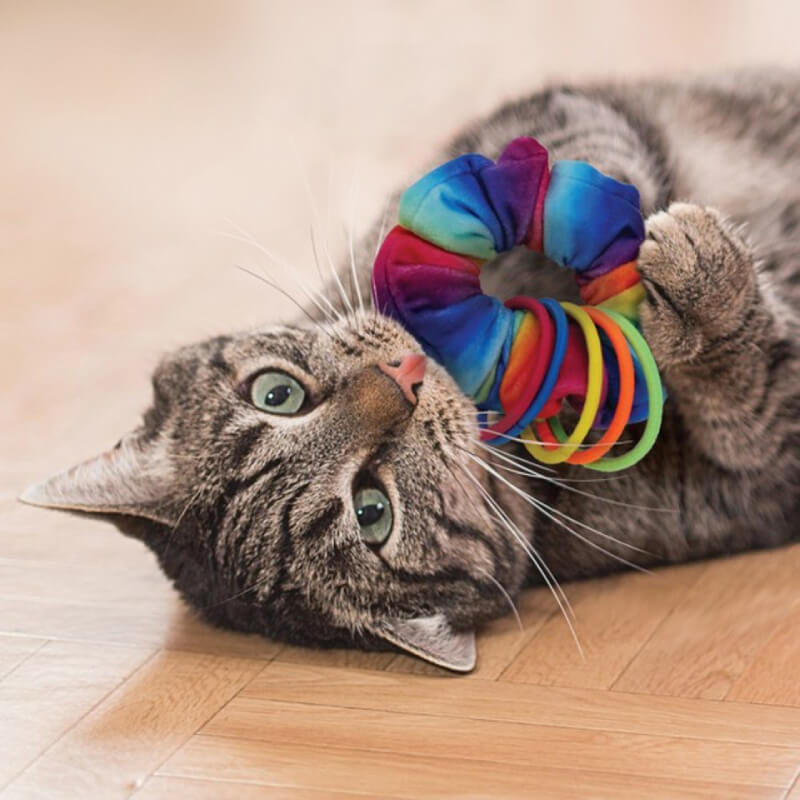
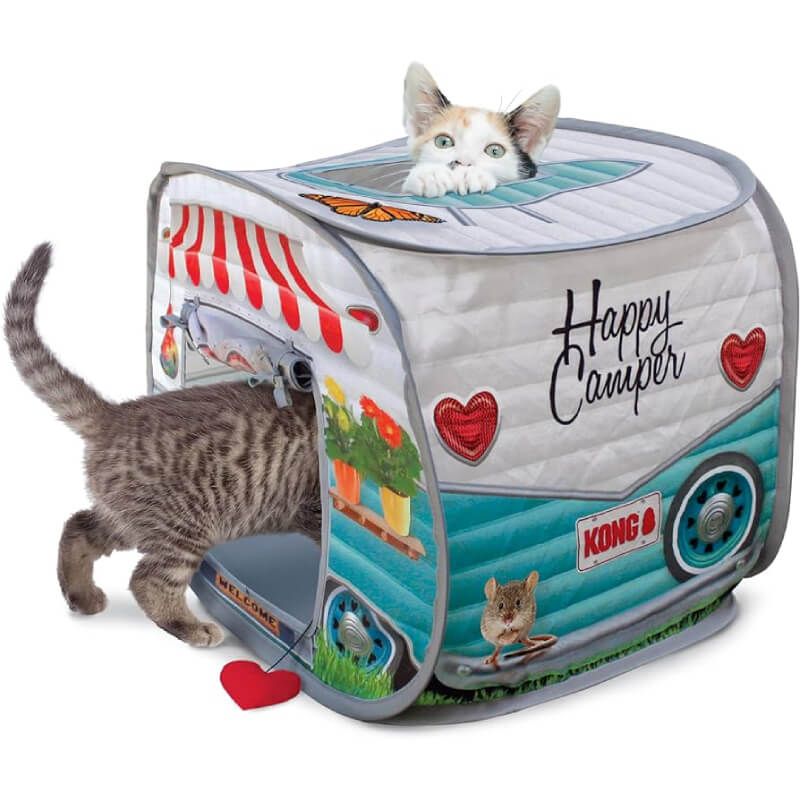
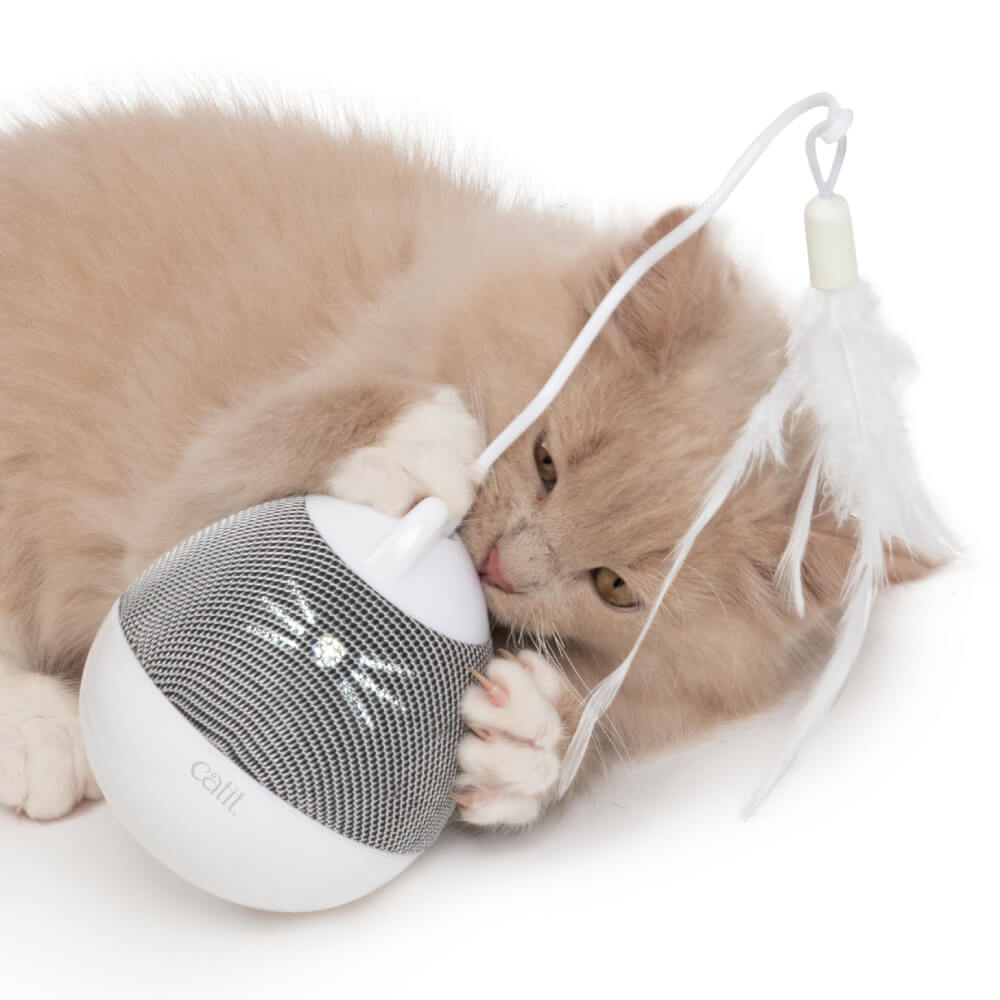
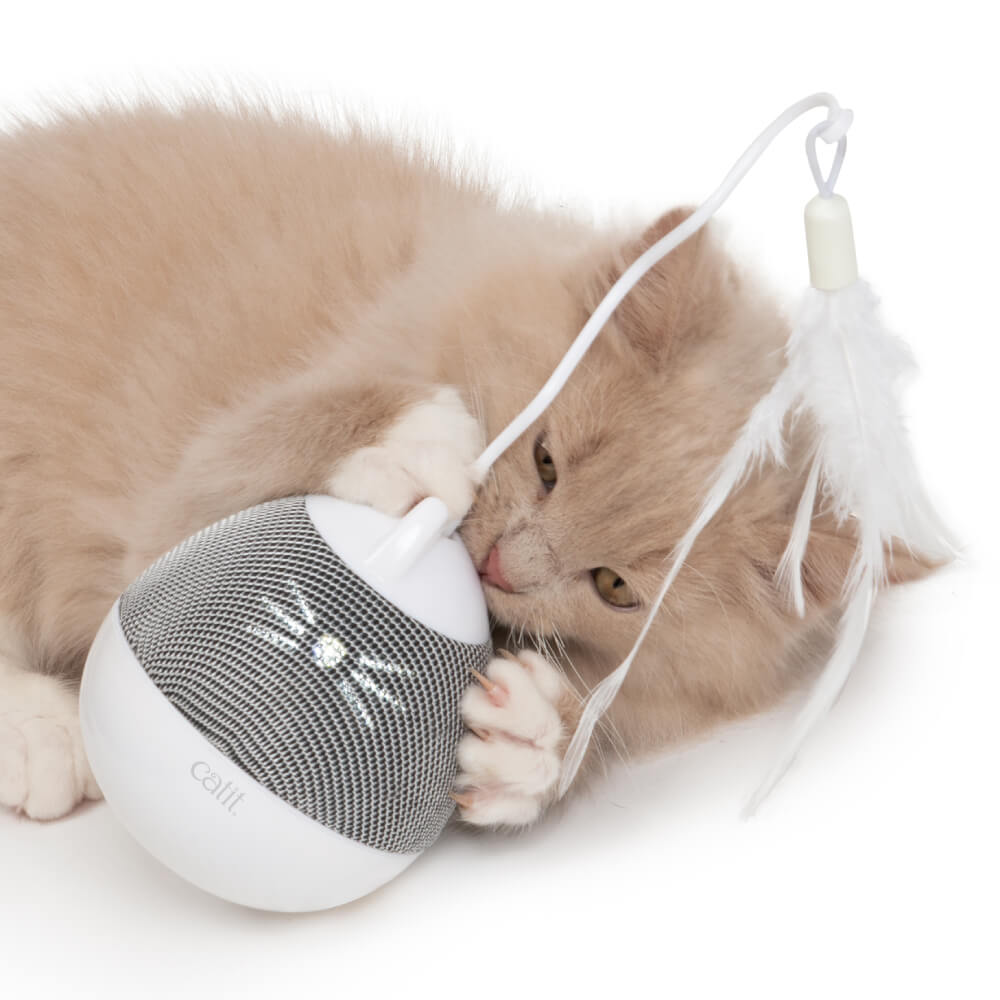
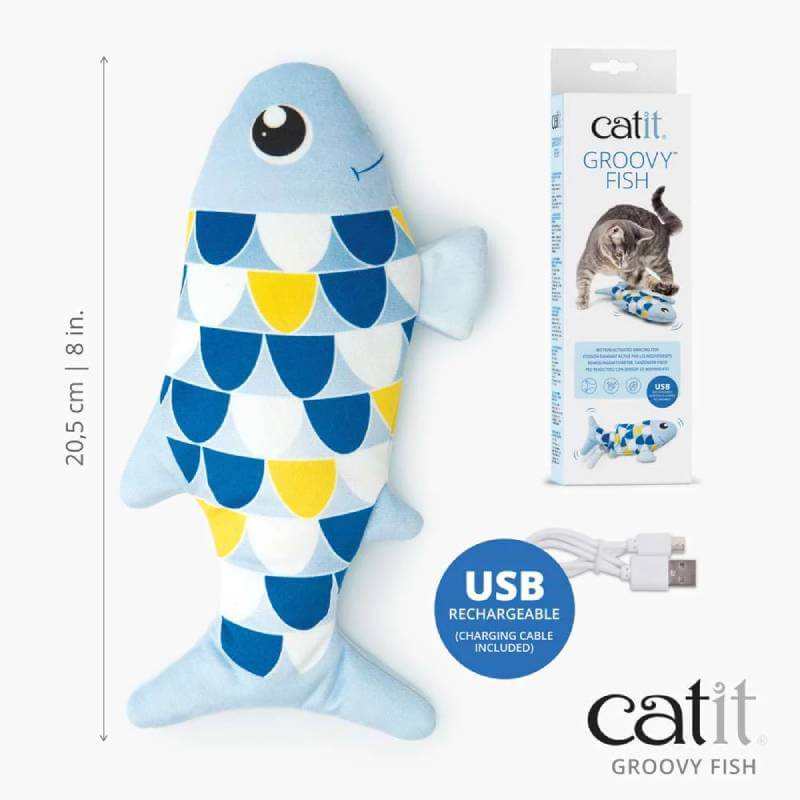
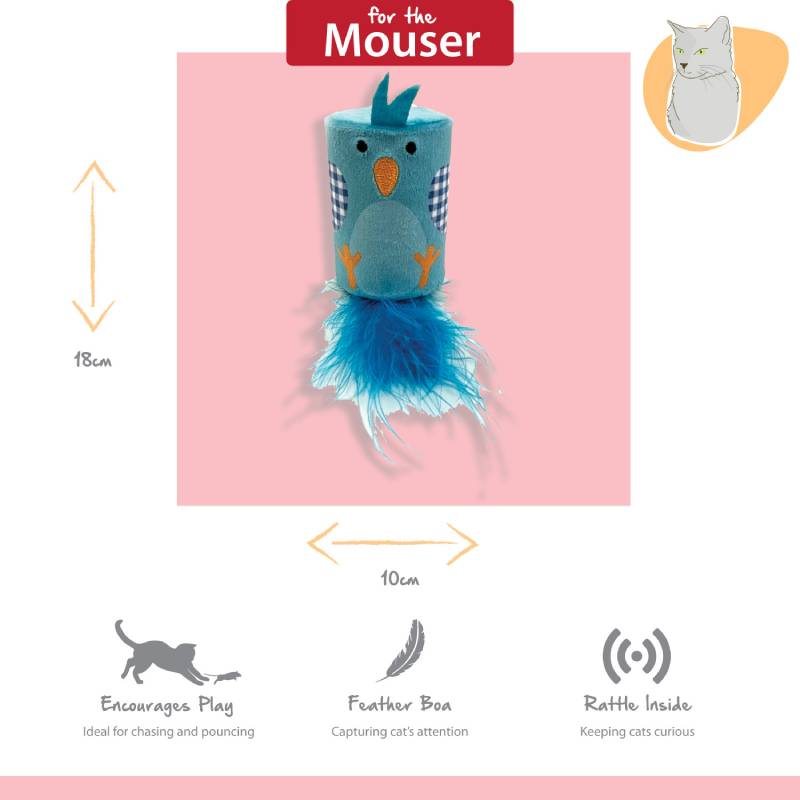
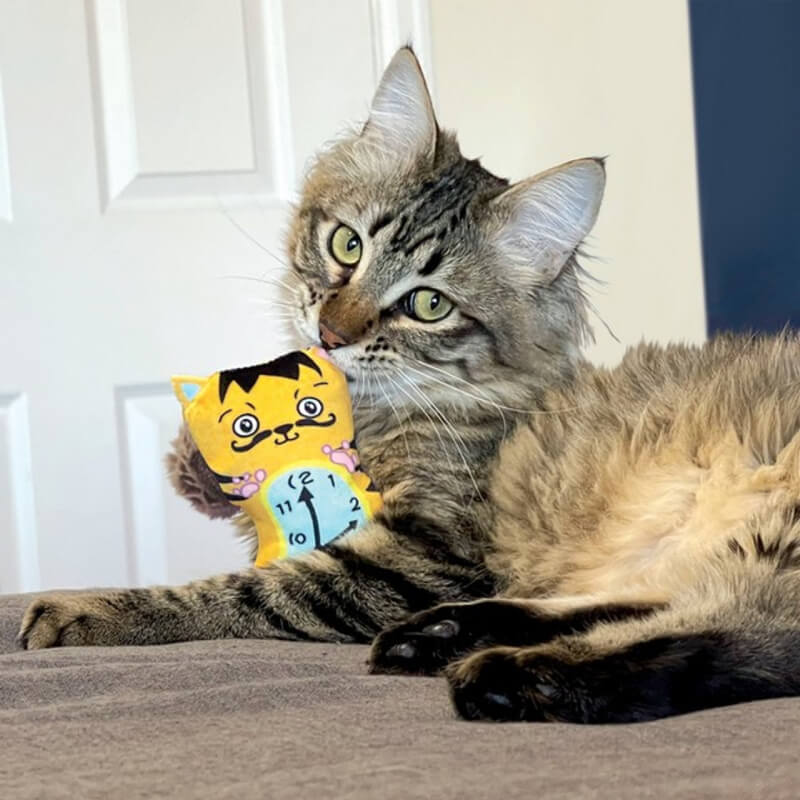
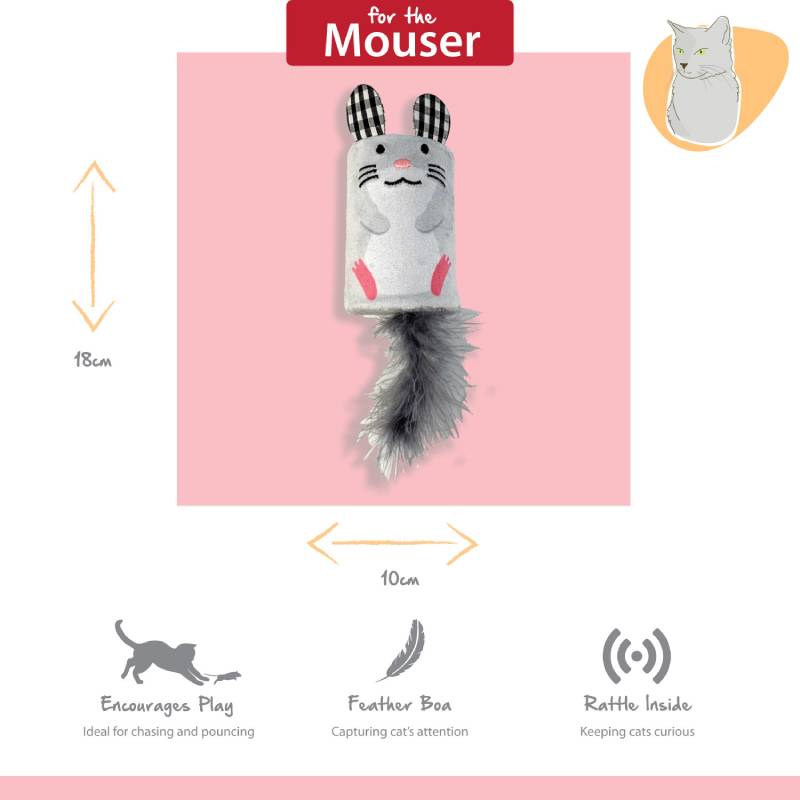
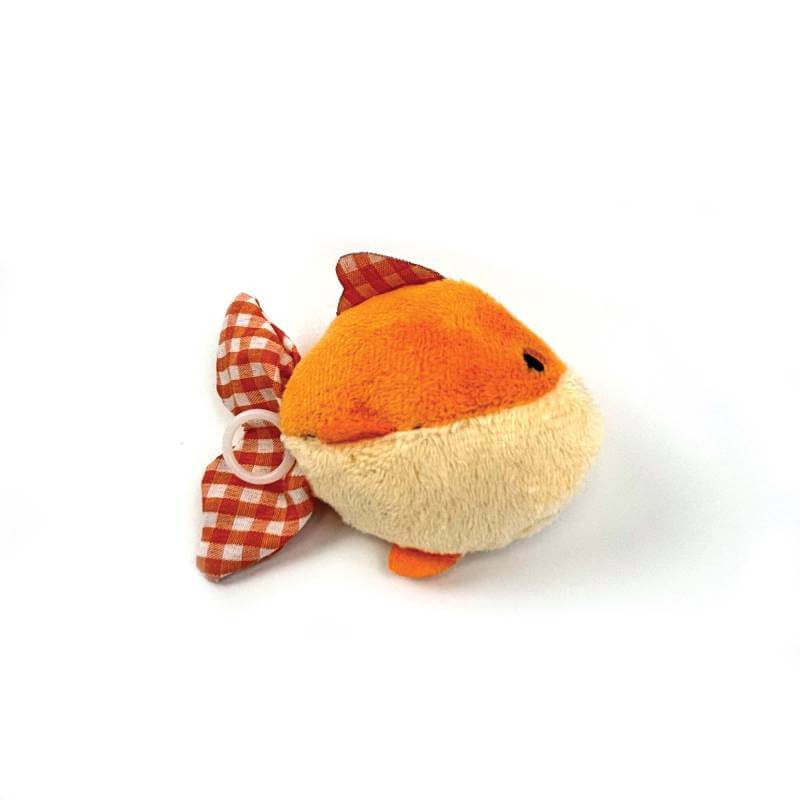
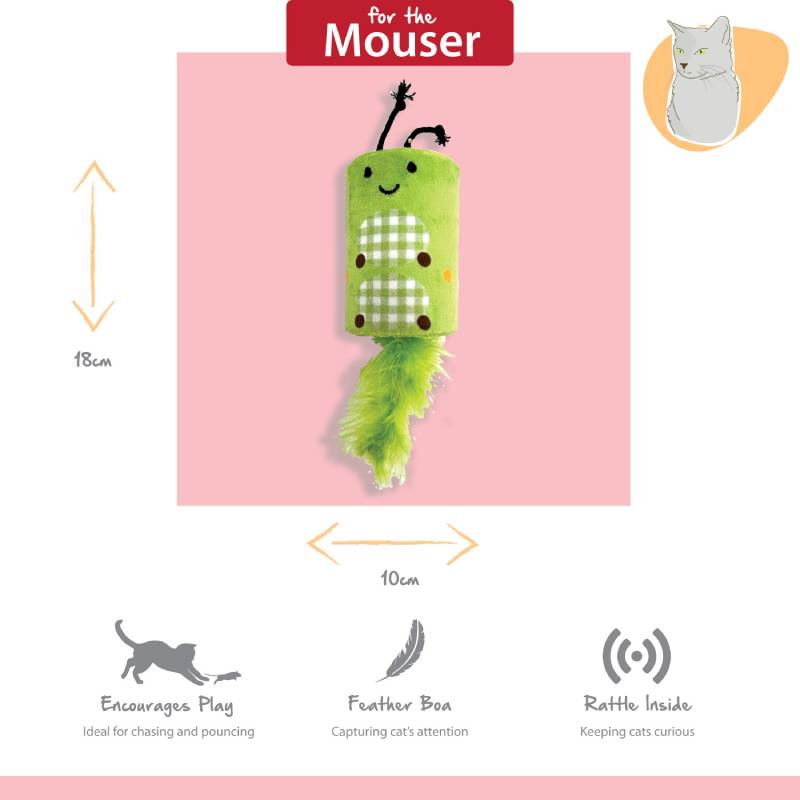
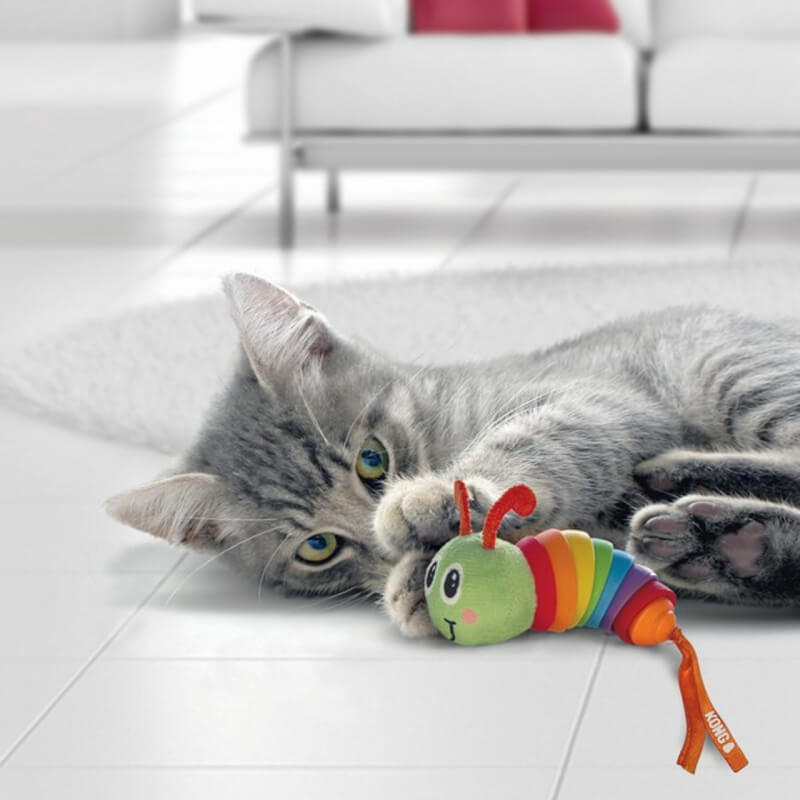
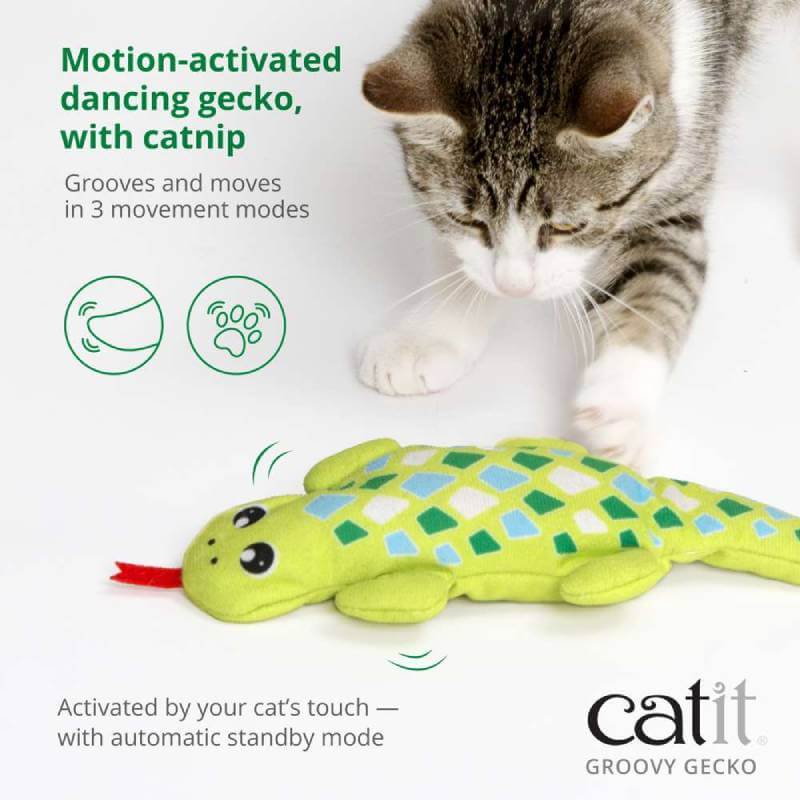
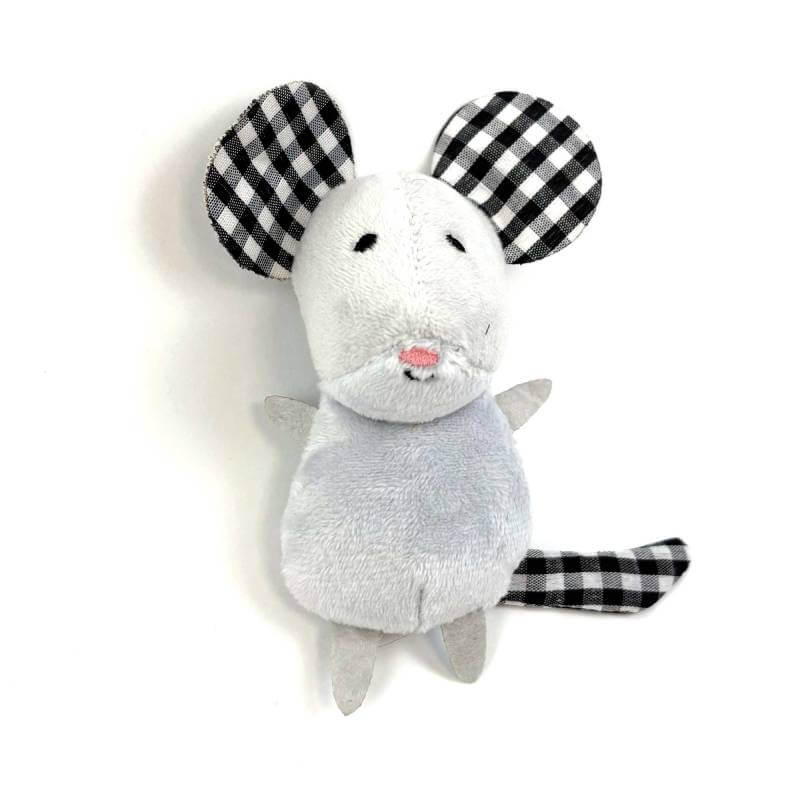
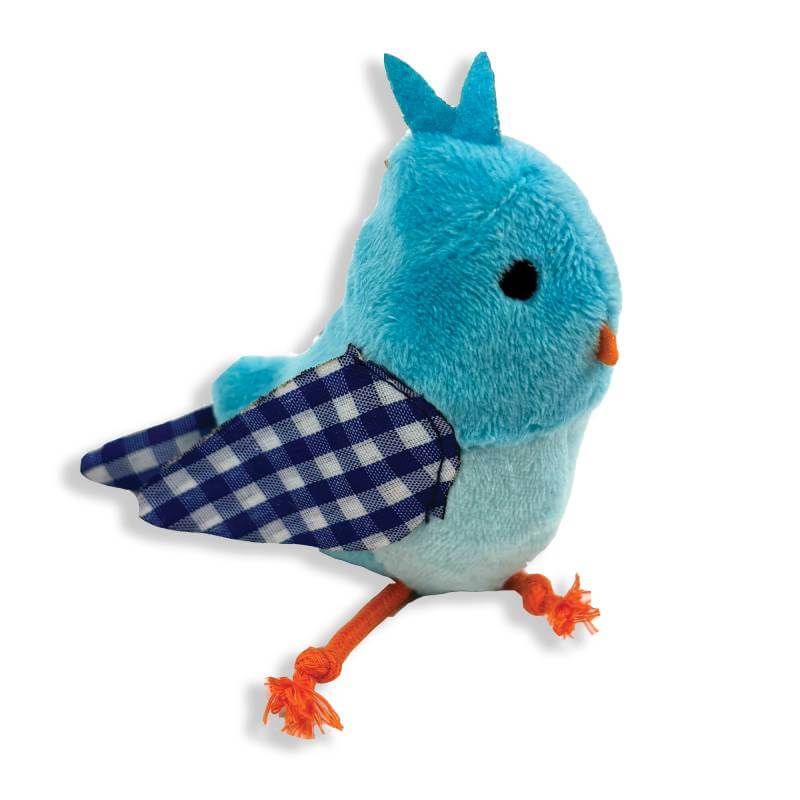
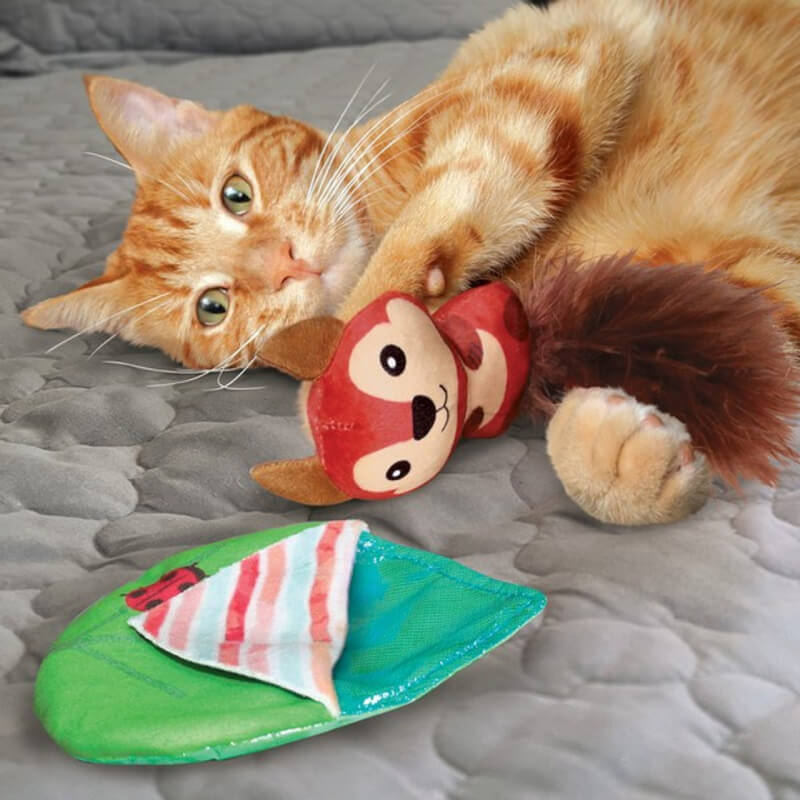
Cat toys fill this range: catnip mice from Kong, feather teasers from Tabby Patch, motion-activated spinners from Catit. Kittens go for the pom poms and rattles. Older cats want a slower chase, so we stock chunky balls and dangler toys they can actually catch. Catit's spinners are the closest thing to interactive cat toys in this collection. Nudge one and it wobbles off, which is often enough to get an indoor cat moving. Catnip turns whatever's nearby into the toy of the day.
We keep more than fifty toys in stock, and new ones land most weeks. Order today and it ships fast from our UK warehouse.
- Small enough for a kitten's paws, sturdy enough for a cat twice the size
- Bright colours and textures a cat can actually see and feel
- Catnip mice, teaser wands, feather toys, balls, and battery-powered spinners
- For solo hunting, two-player bonding time, or a chew after dinner








































A Practical Guide to Cat Toys
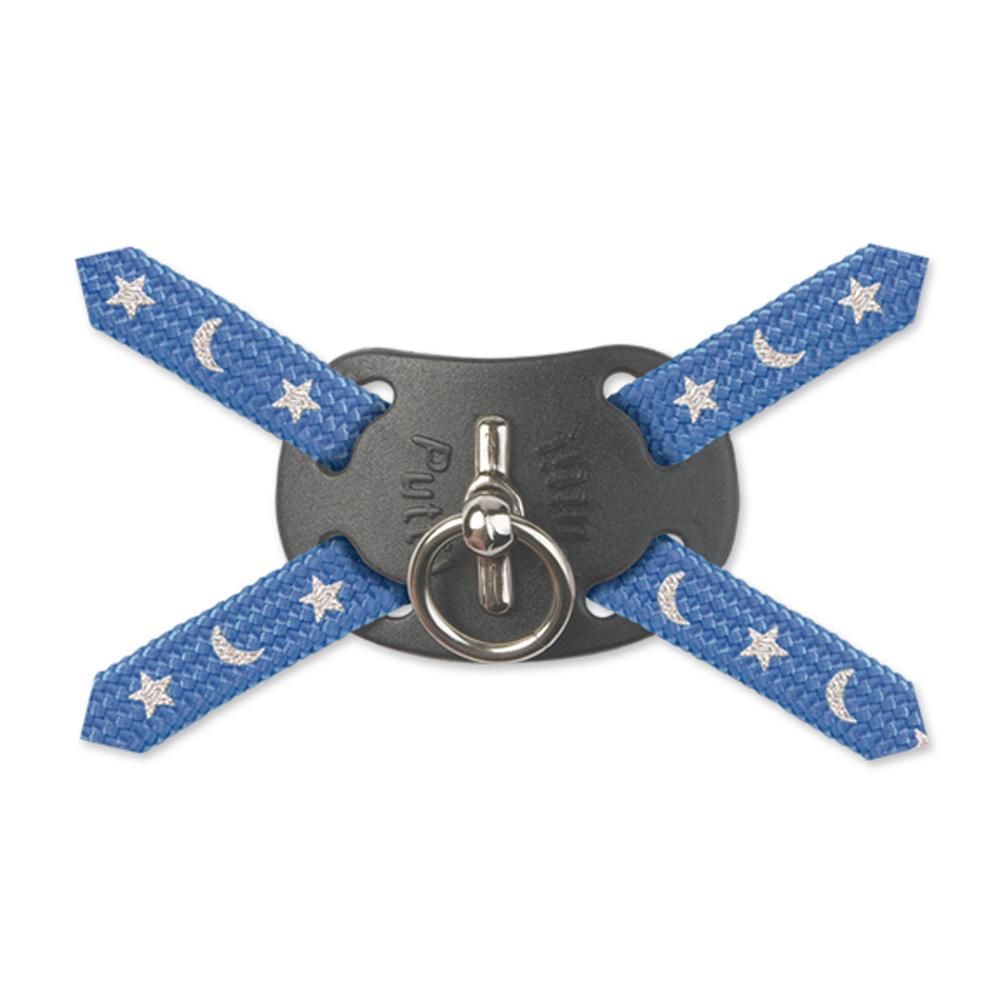
What Else Your Cat Needs




Frequently Asked Questions
What toys are best for cats?
Are catnip toys safe for cats?
How often should you rotate your cat's toys?
What's the best toy for a kitten vs an adult cat?
Do interactive cat toys actually work?
Not found what you need
try searching our shop