

Safety & Bits
Shop Equestrian Safety Equipment and Horse Bits
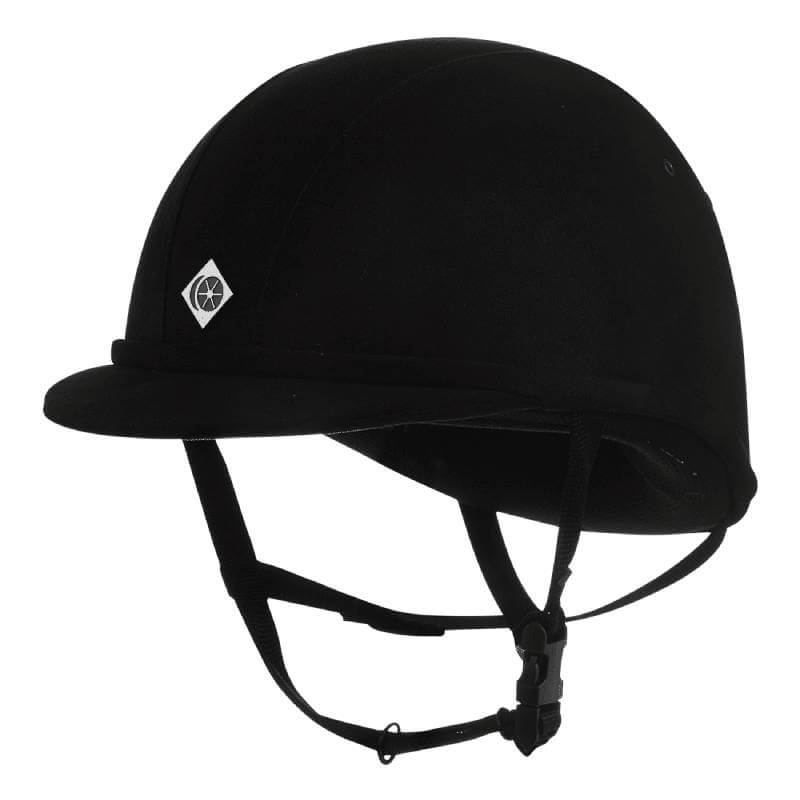
Our equestrian safety equipment range covers the kit you rely on when something goes wrong in the saddle: riding hats, body protectors and safety stirrups, alongside horse bits for schooling, hacking and competition. You'll find Charles Owen and LeMieux riding hats, Racesafe body protectors, Freejump and LeMieux stirrup irons, plus bits from Neue Schule and Sprenger. Hat silks and covers from Aubrion and LeMieux finish the look.
Over 300 products sit in this collection, from first pony bits to BETA Level 3 protectors for cross-country. Popular hat sizes sell through quickly, so check your size before the season starts.
- Sizes: child to adult riding hats and body protectors, pony to full size bits
- Colours: black and navy hats, silks in seasonal and team colours
- Product types: riding hats, hat silks, body protectors, stirrup irons and horse bits
- Use cases: hacking, schooling, cross-country, showjumping and dressage


Choosing Equestrian Safety Equipment and Horse Bits
Shop Riding Hats, Bits and Protectors




Frequently Asked Questions
How often should you replace a riding hat?
Do I need a Level 3 body protector?
What riding hat standards are accepted in UK competitions?
What bit should I use on my horse?
Are safety stirrups safer than normal stirrup irons?
Not found what you need
try searching our shop