

LeMieux Vexa® Riding Hats
Shop LeMieux Vexa Riding Hats
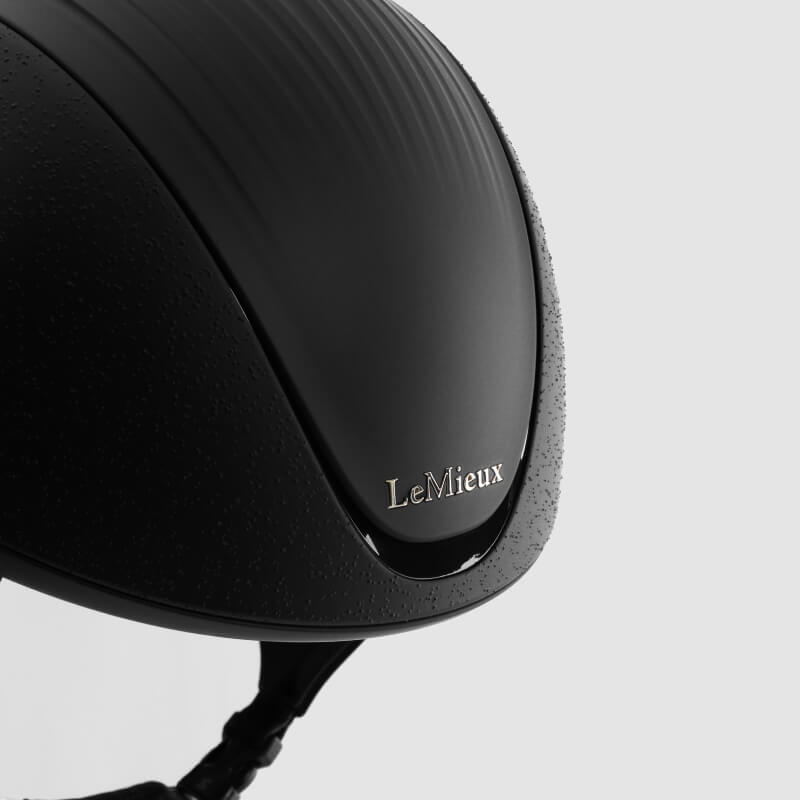
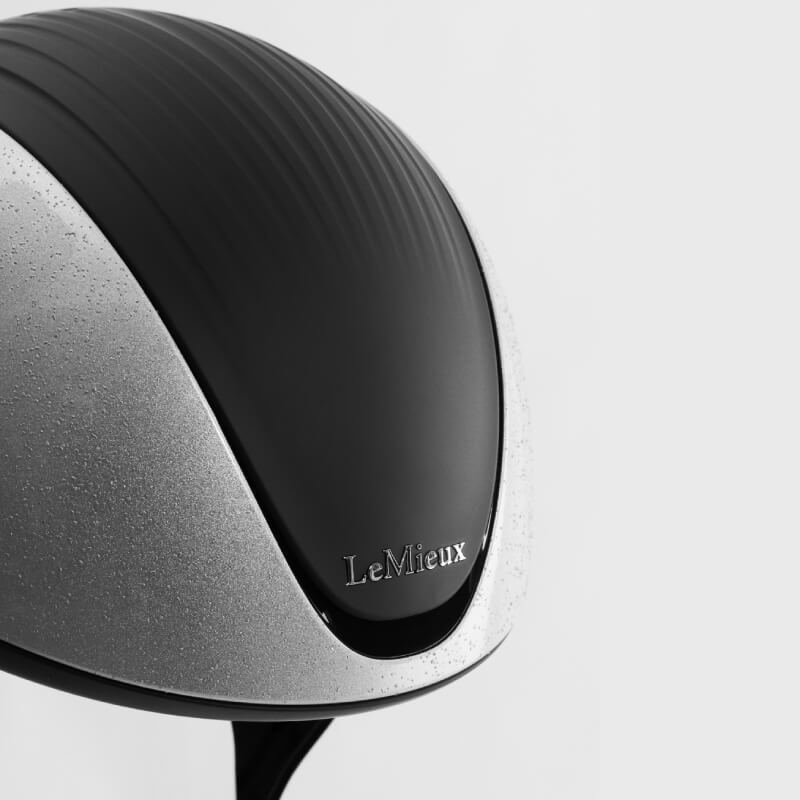
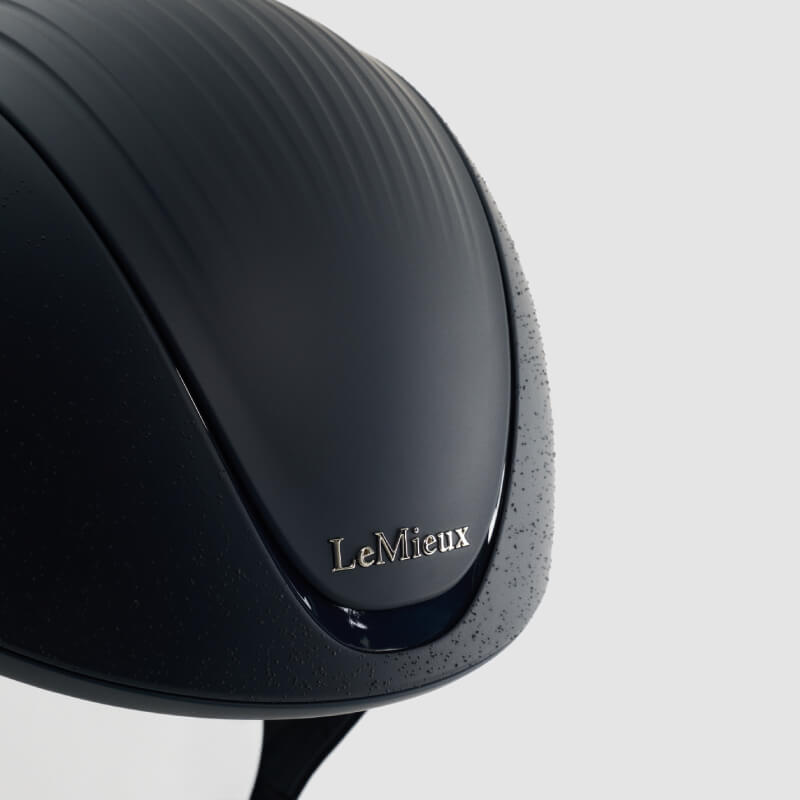
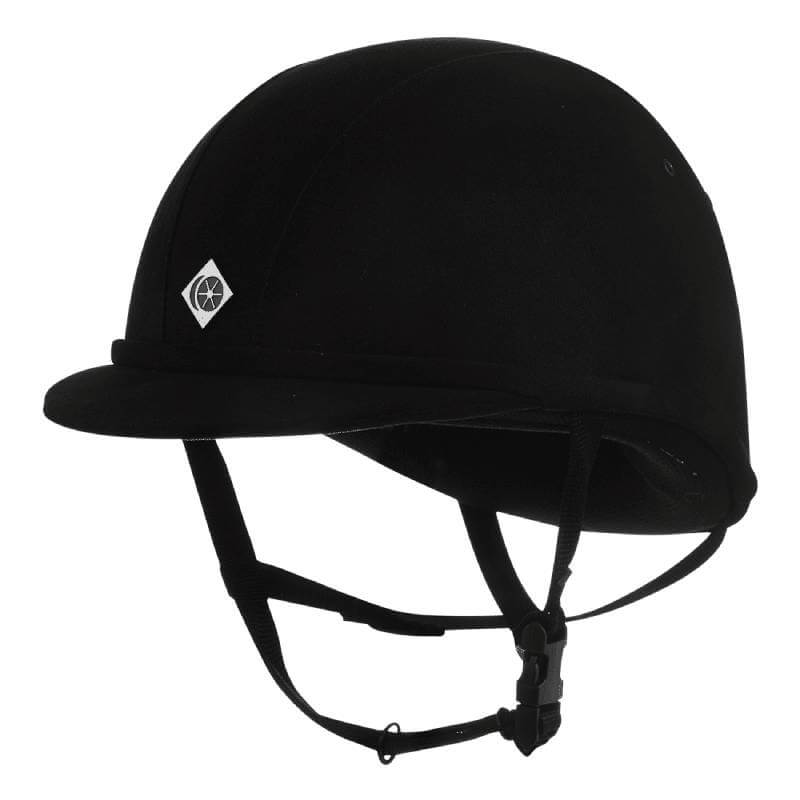
The LeMieux Vexa riding hat brings competition-grade protection to the schooling arena and the show ring alike. Each skull helmet meets EN1384:2023 and ASTM F1163-23 safety standards, with a corrugated twin shell and 360° wrap-fit system built for a secure, personalised fit. Riders choose Vexa for its lightweight comfort and its 2026 Red Dot Award-winning design.
Every Vexa helmet ships in Black, Silver, or Navy across Small, Medium, and Large shells, with limited stock in some sizes. Order today for fast UK dispatch.
- Sizes: Small (52–55cm), Medium (56–58cm), Large (59–61cm)
- Colours: Black, Silver, Navy
- Product types: LeMieux Vexa Skull Helmet
- Use cases: schooling, hacking, competition, cross-country







Buying a LeMieux Vexa Riding Hat: Sizes, Safety and Colours
More LeMieux Riding Hats and Accessories





Frequently Asked Questions
How do I measure my head for a riding hat?
How often should I replace a riding hat?
What's the difference between a skull cap and a riding hat?
What safety standards does the LeMieux Vexa meet?
Not found what you need
try searching our shop