

How to Tell if Your Horse Is Too Hot or Too Cold
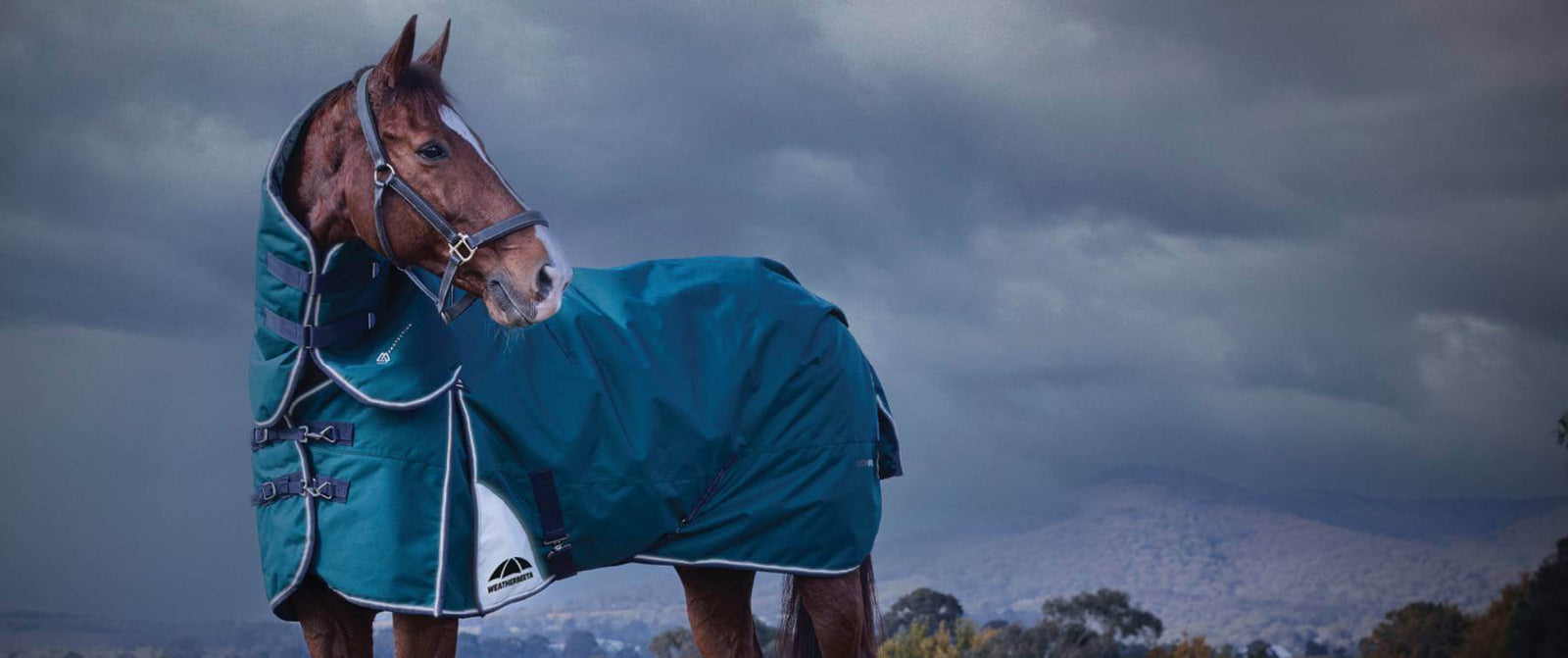

How to Tell if Your Horse Is Too Hot or Too Cold: A Practical Rugging Guide for UK Horse Owners
Choosing the right rug for your horse is not always straightforward. Temperatures change quickly, weather conditions shift, and horses themselves vary widely in how much warmth they need. While rugging charts and guides are helpful, it is just as important to understand the signs your horse gives you. Knowing how to recognise when your horse is too hot or too cold helps you make better decisions and prevents discomfort, weight loss or over rugging.
In this article, we will look at simple ways to check your horse's temperature comfort, common signs of incorrect rugging, and how to combine practical checks with accurate weather-based rugging advice. We will also link you to our interactive Rug Temperature Guide, which uses live weather data to help you choose the right rug for your horse based on temperature, wind chill, rainfall and forecast.
You can find the tool here:
PetnPony Horse Rug Temperature Guide
If you would like to learn about rugging based on temperature, wind chill and forecast, you may find our full guide helpful: Rugging a Horse According to Temperature.
Why Knowing the Signs Matters
Every horse is an individual. Even two horses in the same field, with the same clip and the same workload, may need different rug weights. This is why understanding your horse's signals is essential. It allows you to adapt their rug to suit their needs, not just the conditions. Over rugging can lead to overheating and weight gain, while under rugging can lead to shivering, stiffness and excessive calorie burn.
By learning what to look for, you can check your horse quickly, confidently and accurately, no matter the weather or time of year.
Simple Checks to See if Your Horse Is Too Hot or Too Cold
1. Feel Behind the Withers
This is one of the most reliable checks. Slip your hand under the rug, just behind the withers and on the shoulder. The skin should feel warm and dry. If it feels cold to the touch, your horse may need a slightly heavier rug. If it feels hot, damp or sweaty, your horse is too warm and may need a lighter rug.
2. Check for Shivering
Shivering is an obvious sign of cold, but not all horses will show it clearly. Some will tuck their tail, contract their muscles intermittently or appear tense. If you suspect this, it is important to adjust the rug or bring the horse into shelter.
3. Look for Sweating Under the Rug
Even in winter, sweating under a rug is surprisingly common. If your horse feels hot or damp under the rug, or if the coat is flattened and moist, your horse is likely over rugged. This can lead to dehydration and discomfort, so removing a layer is usually the right call.
4. Assess General Behaviour
Cold horses may become stiff, inactive or slow to warm up in their movement. Hot horses may appear restless or irritable. A change in demeanour can be an early sign that the rug is not quite right.
5. Consider the Wind, Rain and Forecast
A dry 6 degrees C with no wind may feel comfortable for many horses. The same temperature with wind and rain can feel several degrees colder. Similarly, a mild afternoon may be followed by a sharp overnight drop. This is why rugging according to forecast is far more effective than rugging based solely on the current temperature.
To help with this, our Rug Temperature Guide uses the next 8 hours and overnight temperature forecast to suggest the correct rug for daytime and night. You can try it at the link below:
Understanding Clip Type and Rugging Needs
The more coat you remove, the more support your horse will need from a rug. Here is a simple breakdown to help:
Unclipped Horses
- Often manage well without rugs until temperatures drop close to freezing.
- May only need a lightweight or rain sheet in wet and windy conditions.
- Native and cob types generally need less rugging than finer breeds.
Partially Clipped Horses
- Often need light to medium rugs depending on temperature.
- More susceptible to wind chill, so turnout rugs should be chosen with care.
Fully Clipped Horses
- Need consistent support from rugs as they have minimal natural insulation.
- May require neck covers or liners in colder weather.
- Particularly vulnerable to temperature drops and overnight lows.
How to Use Rug Weight Categories
Rugs generally fall into three main weight categories:
- Lightweight: 0g to 100g
- Mediumweight: 100g to 250g
- Heavyweight: 250g and above
For quick shopping access, you can explore different rug weights here:
Why Wind Chill and Rainfall Matter More Than You Think
Wind and rain can remove body heat rapidly. A clipped horse turned out in 5 degrees C with strong wind may feel more like it is standing in 0 to 2 degrees C. This is why wind chill adjustments are essential when choosing the right rug.
Rainfall is just as important. A wet coat loses its insulating properties, making even a mild day feel colder. A turnout rug can help maintain warmth by keeping the coat dry and protected.
Our Rug Temperature Guide calculates wind chill and considers rainfall when giving its recommendations. It looks at the real conditions your horse will experience rather than relying on a single temperature number. Try it here:
PetnPony Rug Temperature Guide
Over Rugging: A Common Problem
Many horses are over rugged without owners realising. Over rugging can cause overheating, sweating, dehydration and weight gain. Some owners rug based on how they themselves feel, but horses have a much wider comfort range than people. A healthy unclipped horse can often remain comfortable at temperatures that feel cold to us.
The more you understand your horse's natural warmth, the easier it becomes to avoid unnecessary layers. This is another area where forecast-based tools are helpful. If temperatures will rise later in the day, choosing a lighter rug can prevent overheating.
Combining Practical Checks with the Rug Temperature Guide
The best approach to rugging is a combination of:
- Feeling under the rug behind the withers
- Checking for signs of heat or cold
- Observing behaviour and movement
- Using local weather, wind chill and forecast data
Our Rug Temperature Guide brings all of these elements together in a simple, easy to use format. By entering your postcode, you receive personalised advice tailored to your horse and local conditions. This helps you avoid guesswork and make calm, confident decisions throughout the winter.
You can try the tool below:
Visit the Rug Temperature Guide
Frequently Asked Questions About Checking Your Horse's Rug
How do I know if my horse is too cold under a rug?
Slip your hand under the rug behind the withers. If the skin feels cold, your horse may need a slightly heavier rug. Look for shivering, tail tucking or tension.
How do I know if my horse is too hot under a rug?
If your horse feels hot, damp or sweaty, they are likely over rugged. Remove a layer or switch to a lighter option, then recheck after a short time.
Where is the best place to feel to check my horse's temperature comfort?
The area behind the withers and across the shoulder gives the most accurate indication of warmth. Avoid assessing by ears or legs alone.
Can a horse be too hot even in winter?
Yes. Horses can easily overheat in winter if they are heavily rugged, working regularly, or stabled in warm environments.
Should I rug my horse based on how cold I feel?
No. Horses tolerate colder temperatures far better than humans. Use practical checks and consult the forecast instead. The Rug Temperature Guide can help.
What role does wind and rain play in rugging decisions?
Wind and rain dramatically increase heat loss. Wind chill can make conditions feel several degrees colder. Wet coats lose insulation quickly.
How often should I reassess my horse's rugging?
At least once per day in colder months, and more often when the weather is unsettled. Always check the forecast for the next 8 hours and overnight.
Is there a tool that can help me decide which rug to use?
Yes. The PetnPony Rug Temperature Guide uses your postcode, weather data, wind chill and forecast to recommend suitable rugs. You can find it here: PetnPony Rug Temperature Guide.
Final Thoughts
Rugging should support your horse's wellbeing, not complicate your routine. By learning how to identify whether your horse is too hot or too cold and by pairing that knowledge with accurate weather-based advice, you can keep your horse comfortable throughout the changing seasons. Whether you have a hardy cob, a clipped sport horse or an older companion, the right rug choice can make a big difference to their comfort.
If you want to understand rugging decisions in more detail, including temperature ranges and weather considerations, our full guide is here: Rugging a Horse According to Temperature.
If you need to browse suitable rugs, our full collection is here:
Also in PetnPony Blog

Rugging a Horse According to Temperature: A Complete Guide for UK Horse Owners
Rugging a horse can be confusing during the UK's shifting winter weather. This guide explains how horses regulate temperature, when rugs are needed, risks of over or under rugging, and how live weather data can help you choose the right rug. Includes detailed advice for clipped and unclipped horses, turnout and stabled management, plus links to our Rug Temperature Guide.

The Ultimate Guide to Measuring Dog for a Coat Fit


Chronic Kidney Disease in Cats - Royal Canin
Cats - like dogs and humans - have two kidneys situated in the abdomen close to the spine and last rib. They are vital organs, continually filtering toxins and waste materials from the blood and producing urine to enable those toxins to be excreted from the body.