

Rugging a Horse According to Temperature: A Complete Guide for UK Horse Owners
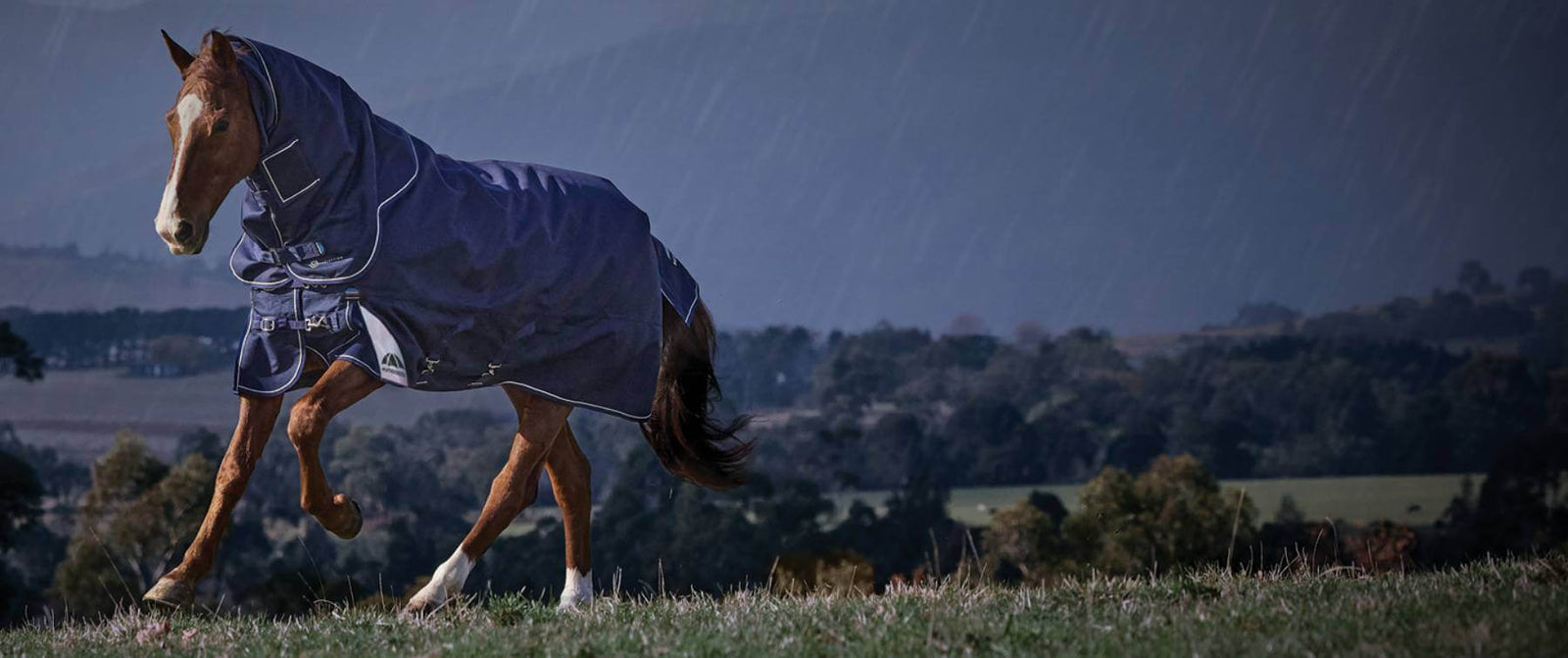

Rugging a Horse According to Temperature: A Complete Guide for UK Horse Owners
Rugging a horse correctly can feel like a constant guessing game, especially with the changeable weather we experience across the UK. One minute it is mild and breezy, the next it is raining sideways, and by evening the temperature can drop sharply. As owners, we want to make the right choices to keep our horses comfortable, healthy, and protected from the elements without overdoing it. Understanding how horses cope with different temperatures is the key to getting rugging right.
In this guide, we will explain why horses may need rugs, the benefits of rugging when done correctly, common mistakes owners make, and how you can use our interactive Rug Temperature Guide to make confident rugging decisions based on your own postcode and live weather data. You can try the tool here:
https://petnpony.co.uk/pages/horse_rug_temperature_guide
If you also want a practical guide on how to tell if your horse is too hot or too cold under a rug, check out How to Tell if Your Horse Is Too Hot or Too Cold.
Understanding How Horses Regulate Temperature
Before deciding when or what to rug, it helps to understand how horses naturally stay warm. Unlike humans, horses have a far wider thermoneutral zone. Research suggests an unclipped, healthy adult horse typically starts to feel cold only when temperatures drop below 0 degrees C. Their thick winter coats trap warm air close to the skin, while natural oils help repel light rain. For many horses, especially natives and good doers, their winter coat is highly effective at keeping them comfortable without much help from us.
However, every horse is different. Clip type, age, health, workload, management and exposure to the elements all influence how much support they need. A clipped sports horse living out 24-7 will have very different rugging needs from a hardy native stabled at night. That is why a one-size-fits-all approach simply does not work. Rugging needs to be tailored to the individual horse and the actual conditions they are experiencing.
Reasons You May Choose to Rug Your Horse
Rugging is not just about warmth. There are several situations where a rug is useful or necessary:
Clipped Horses
Clipping removes the natural insulation a coat provides. Even a low trace clip exposes areas of the horse that would normally stay warm. Fully clipped horses often need rugging even in relatively mild temperatures, especially when turnout is windy or wet.
Older Horses
Senior horses can struggle to maintain body temperature, particularly overnight. If they have lost condition or have limited mobility, adding a rug helps them stay comfortable without burning unnecessary calories.
Underweight or Poor Condition Horses
Thin horses have less natural insulation and may need a slightly heavier rug than others in the same environment. Rugging helps them conserve energy which they can then use to gain and maintain healthy weight.
High Winds, Driving Rain, or Stormy Weather
Even an unclipped horse with a full winter coat can be chilled by prolonged rain and wind. Wet hair loses its insulating properties, and wind quickly strips away body heat. A waterproof turnout rug helps maintain comfort when the weather turns unpleasant.
Keeping the Coat Clean and Dry for Riding
For horses in regular work, a rug helps keep the coat dry, saving valuable time when preparing for exercise. This is especially important during winter when drying times are slower.
Preventing Weight Gain in Over-Rugged Horses
Interestingly, rugging too heavily can cause the opposite problem. Over-rugging encourages weight gain because horses burn fewer calories to stay warm. Owners of good doers need to be particularly careful not to over-rug during the winter months.
The Risks of Over Rugging and Under Rugging
Both can cause problems, but over rugging is surprisingly common.
Risks of Over Rugging
- Heat stress and sweating under the rug
- Dehydration
- Skin irritation or rubs
- Preventing natural weight loss in overweight horses
- General discomfort and reduced movement
Risks of Under Rugging
- Shivering, stiffness and discomfort
- Loss of condition
- Poor performance
- Overuse of calories to maintain warmth
The difficulty is that it is not always obvious which rug is ideal, particularly when temperatures fluctuate throughout the day. Many owners use generic temperature tables to guide their rugging, but these charts do not account for wind chill, rainfall, or rapid overnight drops. This is where our Rug Temperature Guide can really help.
You can find the Rug Temperature Guide here: PetnPony Rug Temperature Guide.
Introducing the PetnPony Rug Temperature Guide
To make rugging more accurate, we created a tool that uses live weather data to give personalised recommendations for your horse based on your exact postcode. It factors in the key variables that influence how cold your horse will actually feel and helps owners make informed rugging decisions without guesswork.
Once you enter your postcode, the tool pulls live weather data including current temperature, wind speed, wind chill, rainfall, the next 8 hours of daytime weather and overnight lows. You also select whether your horse is clipped or unclipped, turned out or stabled, and whether they are elderly, underweight or known to feel the cold. The tool then recommends suitable rug weights and options for both daytime and overnight.
You can try it here:
Why Rugging Based on Forecast Is More Accurate
Most owners rug their horses at set times such as first thing in the morning or last thing at night. Rugging based on the current temperature is rarely useful. A calm 7 degrees C morning can quickly develop into a chilly 2 degrees C evening. Without checking the forecast, you might choose a rug that leaves the horse cold later in the day.
Our tool looks ahead so that you can rug with confidence. If temperatures are due to fall sharply overnight, it will highlight this. If rain and strong wind are expected during turnout hours, it accounts for that too. This predictive approach helps reduce the risk of over or under rugging and gives your horse consistent comfort throughout the day and night.
If you would like a more hands-on guide to checking your horse in real time, you can read our article How to Tell if Your Horse Is Too Hot or Too Cold, which covers practical checks such as feeling under the rug, watching for shivering and spotting signs of overheating.
Why Rug Weight Matters and Where to Shop
Depending on the conditions, different rug types are more suitable. Here are some quick links to browse rugs by type:
Frequently Asked Questions About Rugging a Horse by Temperature
What temperature does a horse need a rug?
Most unclipped horses only begin to feel cold at around 0 degrees C, thanks to their natural winter coat. Clipped horses or those who feel the cold may need a rug sooner, especially when exposed to wind and wet weather.
Should I rug my horse based on the temperature right now?
No. Rugging based on the current temperature alone can be misleading. It is better to rug for the upcoming forecast, including overnight lows and wind chill. The PetnPony Rug Temperature Guide takes this into account automatically.
Does wind chill matter for horses?
Yes. Wind can remove heat from a horse's body very quickly, especially if the horse is clipped or turned out. Wind chill can make a mild day feel several degrees colder. Our tool calculates this for you to give more accurate advice.
Do stabled horses need rugs?
Some do, and some do not. Stabled horses are sheltered from the wind and rain, so they often require lighter rugs than horses living out. Older, clipped or underweight horses may still need extra support overnight.
What rug weight should I use?
This depends on temperature, forecast, rain, wind, clip type and whether the horse is turned out or stabled. Lightweight rugs are generally 0g to 100g, mediumweight around 100g to 250g and heavyweight rugs 250g and above. Our Rug Temperature Guide gives precise recommendations based on your postcode and weather data.
How often should I check what rug my horse needs?
It is best to check at least once per day during colder months. UK temperatures can change quickly, and an overnight drop can mean a horse needs a different rug later in the day. Our rugging tool helps you plan ahead by checking the next 8 hours and overnight weather.
Why is over rugging a problem?
Over rugging can cause sweating, discomfort, dehydration and long term weight gain. Horses naturally burn energy to stay warm, and too many layers reduce this process. Using accurate weather data helps prevent over rugging.
How does the PetnPony Rug Temperature Guide help?
It uses live weather, wind speed, rainfall and temperature forecasts to recommend the right rug. It also considers whether the horse is clipped, stabled, turned out or more likely to feel the cold. This personalised approach is far more accurate than a standard rugging chart.
Final Thoughts
Rugging should support your horse, not complicate your routine. By using accurate data, a personalised approach, and simple decision making, you can make better choices for your horse's comfort and wellbeing. Whether your horse lives out, is partially clipped, or is a hardy native who rarely needs extra help, the right information can make all the difference.
Try the Rug Temperature Guide today and see how much easier winter rugging can be:
We hope this helps you feel more confident with your rugging decisions throughout the colder months. If you have any questions or need help choosing the right rug, our team is always here to help.
Also in PetnPony Blog

How to Tell if Your Horse Is Too Hot or Too Cold
Knowing whether your horse is too hot or too cold can be challenging, especially with the UK's unpredictable weather. This guide explains simple checks you can use, signs of discomfort to look out for, and how factors like wind chill, rainfall and clip type affect rugging needs. Learn how to make confident rugging decisions based on your horse’s behaviour and the forecast.

The Ultimate Guide to Measuring Dog for a Coat Fit


Chronic Kidney Disease in Cats - Royal Canin
Cats - like dogs and humans - have two kidneys situated in the abdomen close to the spine and last rib. They are vital organs, continually filtering toxins and waste materials from the blood and producing urine to enable those toxins to be excreted from the body.